

Peru Family Travel 101: Best Things to Do, Where to Stay, and Safety Tips
Michael continues to travel, searching for new business opportunities and fantastic trip experiences to offer travelers. You can find Michael testing unique tours and hotels around LATAM. He enjoys getting up early and a hot cup of coffee before getting a good workout and starting the day.
Last Updated on February 11, 2026 by Michael R. Barthelmess
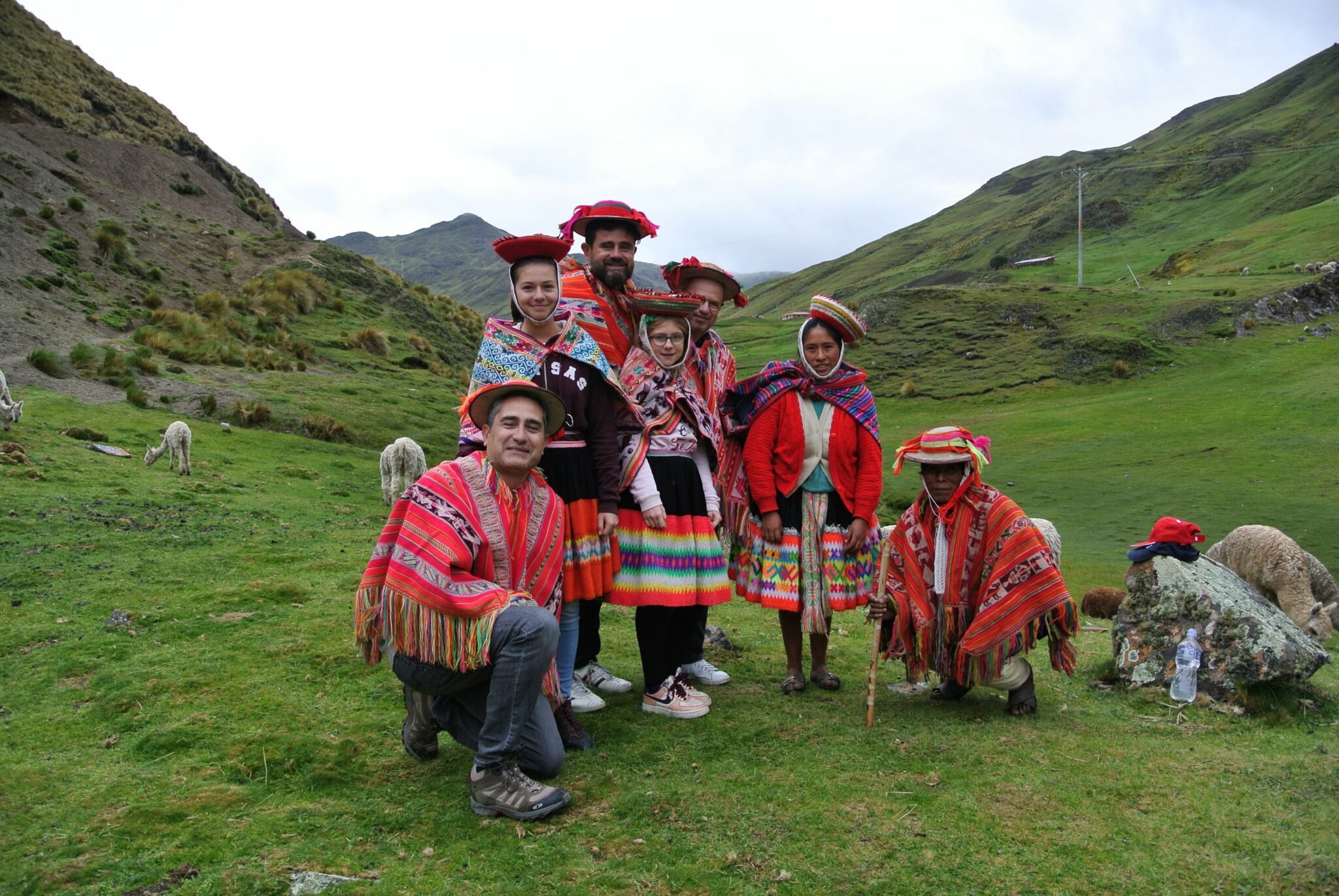
Every year, we get dozens of travelers asking if Peru is a family destination. It is understandable since some parents are worried about destinations with high elevations or unknown factors when visiting a country in Latin America. The truth is that Peru is definitely a place for families with young children, teenagers, and large groups. Let’s go over a few of the most popular locations to visit in Peru and how you can organize a family-style trip.
Why Peru is the Best South American Destination for Families
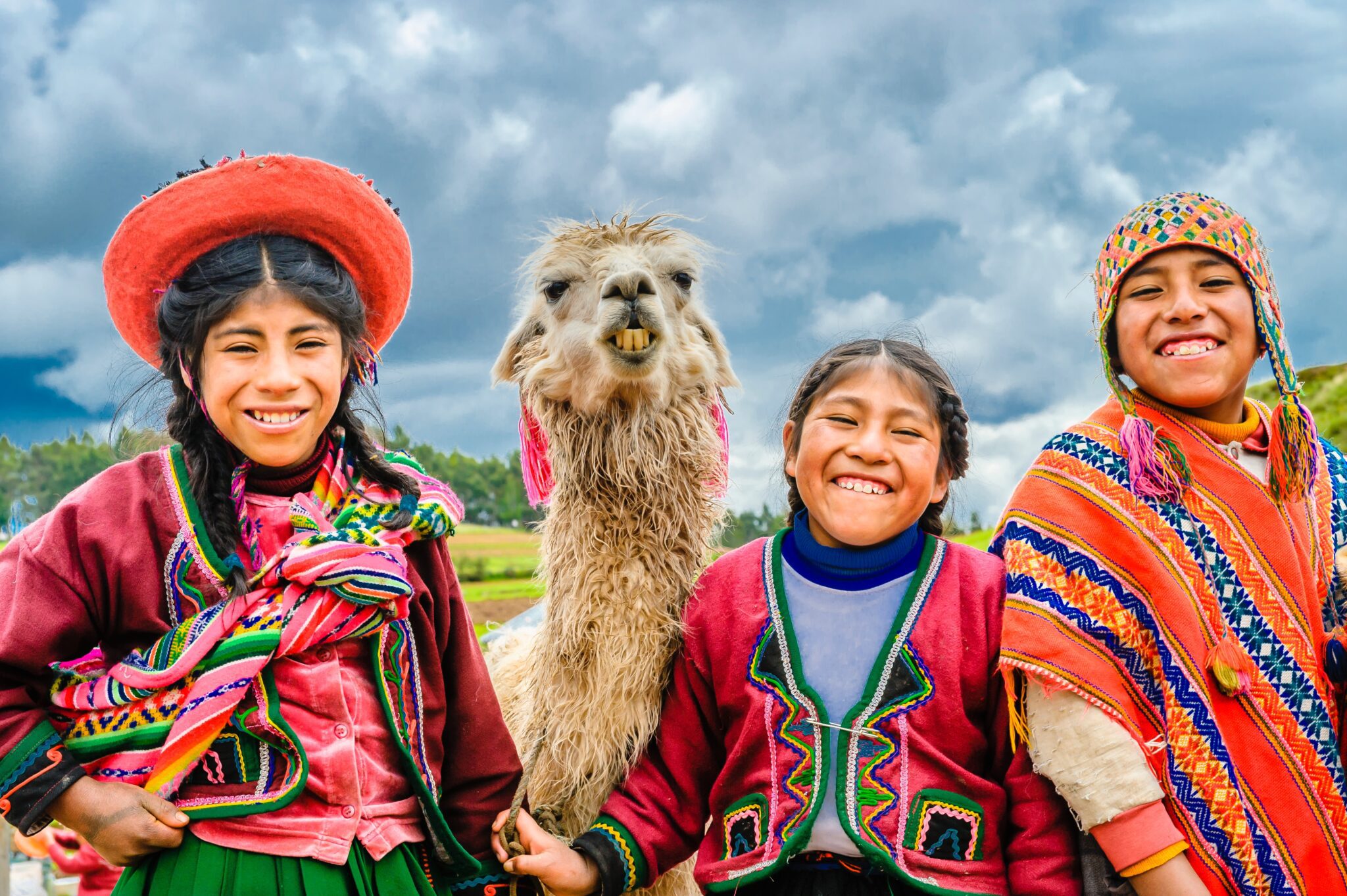
When parents ask us, “Is Peru good for kids?”, our answer is always the same: Peru is a living classroom. Unlike a manufactured theme park, a Peru family vacation offers real-world education in biology, geology, and history—all disguised as an adventure.
From feeding alpacas in the Andes to spotting monkeys in the Amazon, Peru engages children in a way that keeps them off their screens. Whether you have toddlers or teenagers, Peru offers a unique blend of infrastructure (comfortable hotels, direct flights) and exotic adventure that few other South American countries can match.
Is Peru Safe for Families? Safety Updates and Altitude Tips for Kids
Safety is the number one priority for any parent. As of January 2026, the main tourist corridors (Lima, Cusco, the Sacred Valley, and Machu Picchu) are open and welcoming visitors.
The Real Challenge: Managing Altitude (“Soroche”) While parents worry about safety, the more common issue is altitude sickness. Cusco sits at 11,152 feet (3,400m), which can be tough on newcomers. However, there is a strategy that we recommend to all of our travelers. It involves changes in elevation, a good night’s sleep as well as plenty of fluids.
Our Family Acclimatization Strategy:
- Land and Descend: Do not sleep in Cusco on your first night if you can avoid.
- Go Lower: We immediately transport families to the Sacred Valley (9,420 feet), which is significantly lower and richer in oxygen.
- Acclimatize: Spend 2-3 days exploring the valley before visiting Machu Picchu or returning to Cusco.
- Drink plenty of fluids once you arrive to Cusco. Our driver will have water bottles ready when we pick you up at the Cusco airport.
- Focus on light meals for the first 24 hours
- Take short but frequent walks throughout the first day.
- Try to get a good night’s sleep. The body really only acclimatizes while you sleep; everything else is done to mitigate symptoms.
Things to Do in Lima with Kids: Magic Fountains & Chocolate Museums

Don’t skip the capital! Lima is the perfect place to rest after your international flight and ease into the culture.
The Magic Water Circuit (Parque de la Reserva)
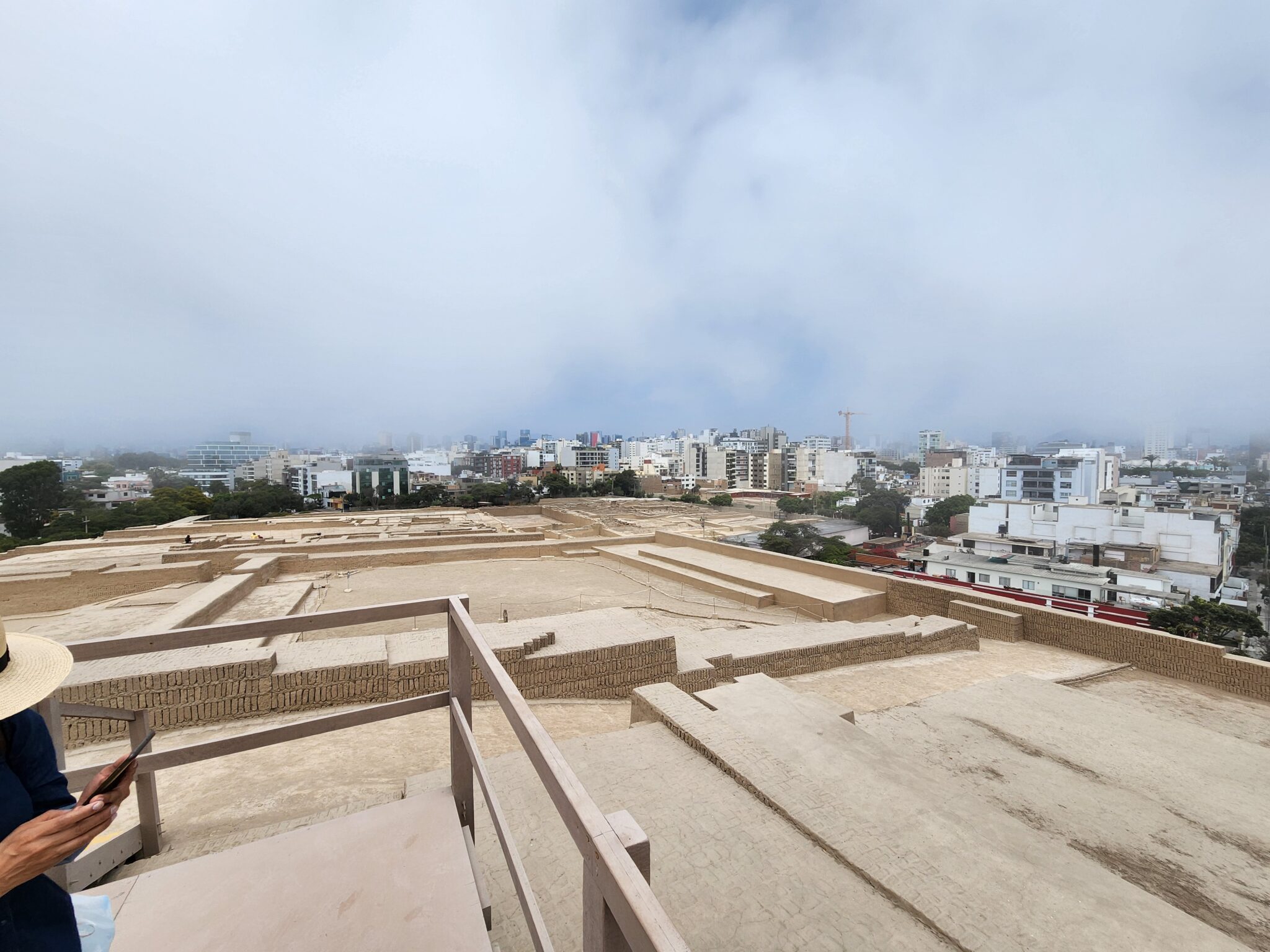
For an evening of pure spectacle, the Magic Water Circuit at Parque de la Reserva is an absolute must-visit for families in Lima. Officially recognized as the world’s largest fountain complex in a public park, this illuminated wonderland features 13 distinct fountains that come alive after dark. The highlight is the nightly laser and light show, where water projections are synchronized to traditional Peruvian music and international hits. Because the park is gated and well-patrolled, it offers a safe, enclosed environment where kids can marvel at the “Tunnel of Surprises” or run through the interactive fountains.
ChocoMuseo: The Bean-to-Bar Experience
Peru is globally renowned for its high-quality cacao, and the ChocoMuseo offers a hands-on way for children to engage with this local treasure. Their signature 2-hour “Bean to Bar” workshop is specifically designed to be educational yet highly interactive. Kids get to experience the entire chocolate-making process—from roasting raw organic cacao beans and winnowing the husks to grinding the nibs into a paste. The experience culminates with participants molding their own custom chocolate bars to take home, making it one of the most delicious and culturally immersive indoor activities for families in the Miraflores district.
Miraflores Boardwalk (El Malecón)

The Miraflores Boardwalk, known locally as El Malecón, is the city’s premier outdoor space for active families. Stretching for miles along the dramatic green cliffs overlooking the Pacific Ocean, this interconnected system of parks offers a refreshing escape from the urban bustle. The boardwalk is impeccably maintained and features dedicated bike paths, expansive playgrounds (like the popular Parque del Amor), and wide walkways perfect for strollers. Whether you are watching paragliders catch the coastal breeze or simply enjoying a sunset over the ocean, the Malecón provides a safe, scenic environment for kids to burn off energy while parents soak in the best views in Lima.
The Sacred Valley: The Best Place to Acclimatize with Children
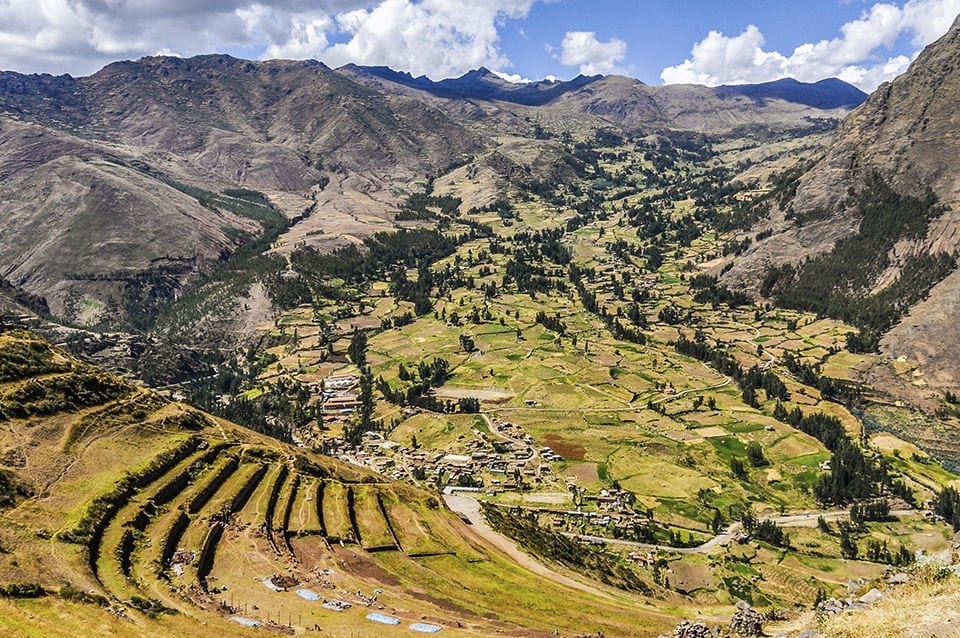
When planning a trip to the Peruvian Highlands, the Sacred Valley of the Incas is the strategic choice for families. Situated at a lower elevation than Cusco (approx. 2,800m vs 3,400m), it is the premier location for children to acclimatize to the altitude in a warmer, more oxygen-rich environment. Beyond the health benefits, the valley offers expansive open spaces where kids can explore freely without the constraints of narrow city sidewalks. The gentle climate and relaxed pace make it an ideal “base camp” for introducing young travelers to Andean culture before heading to Machu Picchu.
Awana Kancha: The Living Museum of the Andes
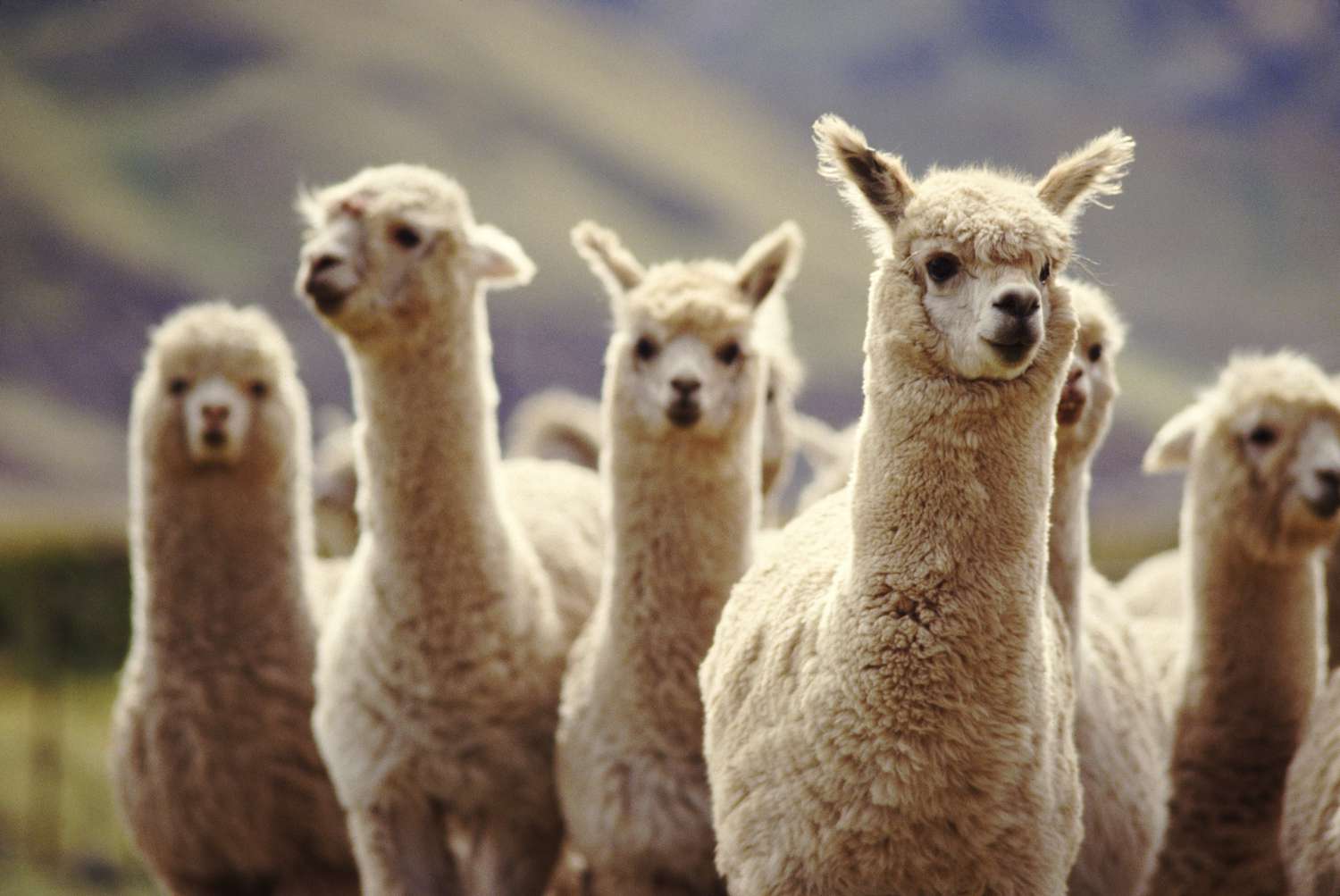
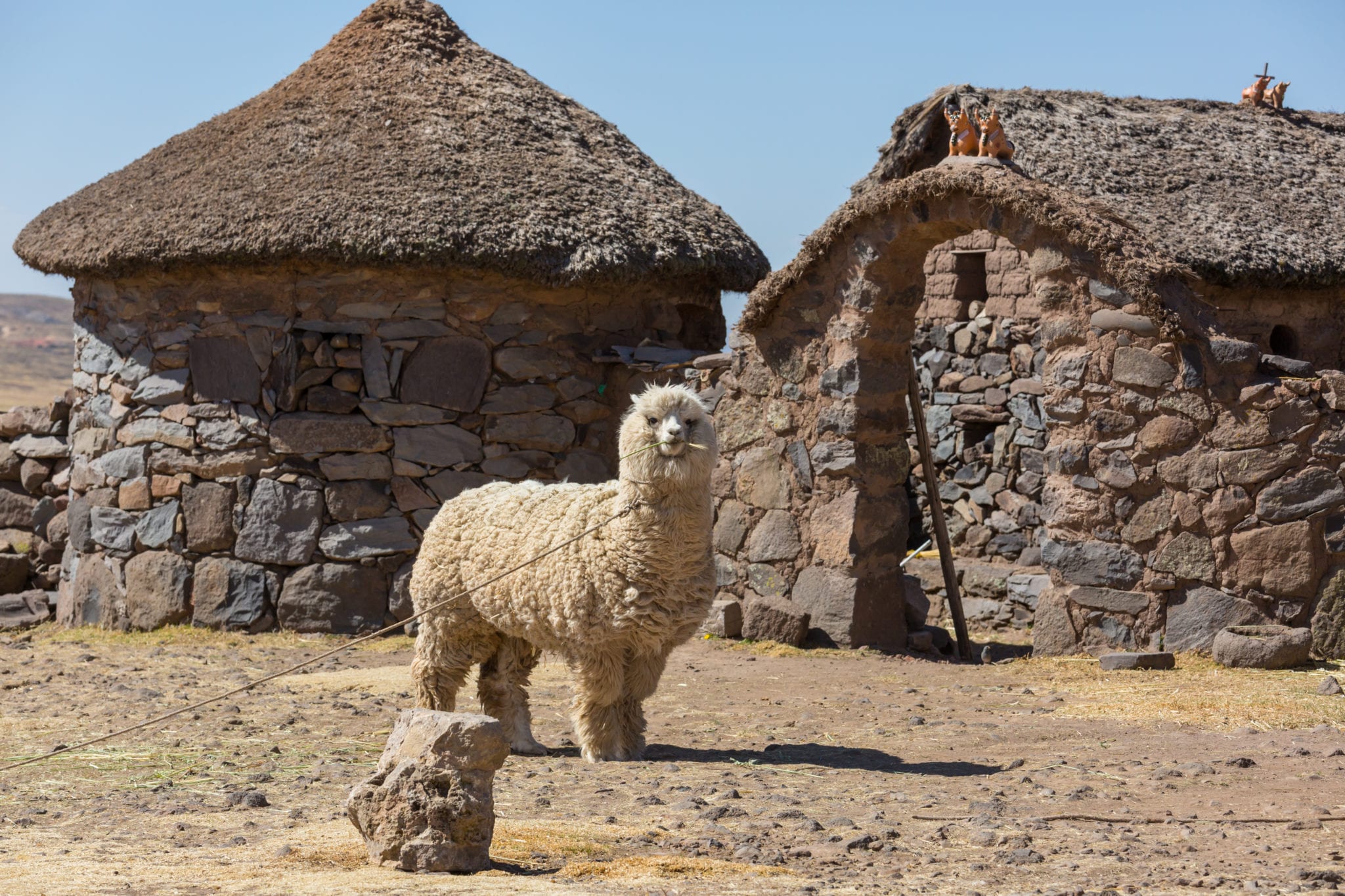
For an authentic encounter with Peru’s most iconic animals, Awana Kancha is an essential stop. Often described as a “living museum,” this farm and textile center allows children to get up close and personal with four species of camelids: llamas, alpacas, guanacos, and vicuñas. The highlight for most kids is the opportunity to hand-feed these gentle creatures with provided stalks of grass. It is a safe, controlled environment that provides the ultimate photo opportunity while simultaneously teaching children about the traditional weaving techniques and natural dyes used by local communities for centuries.
Pisac Market: Culture, Math, and Souvenirs
The Pisac Market is more than just a shopping destination; it is a vibrant, sensory classroom. As one of the most famous markets in the region, it presents a unique opportunity for children to practice real-world skills. You can turn souvenir shopping into a fun math and economics lesson by teaching your kids to bargain respectfully and calculate exchange rates using Peruvian Soles (PEN). From hand-painted ceramics to vibrant alpaca wool sweaters, the market’s colors and sounds offer a deep dive into the heart of Quechua culture that is both engaging and educational for all ages.
Maras Salt Mines: A Living Geology Lesson
The Maras Salt Mines (Salineras de Maras) offer a breathtaking visual of thousands of ancient, terraced salt pools cascading down a canyon wall. This is a geology and history lesson come to life; these pools have been harvested since pre-Incan times using a natural subterranean salt stream. Watching the local families manually harvest the salt crystals provides children with a tangible connection to how natural resources are utilized. The stark white contrast of the salt against the red Andean mountains makes it one of the most visually striking and educational landscapes in the entire Sacred Valley.
💡 Pro-Tip: Navigating Altitude with Kids
To ensure a “tear-free” transition to the Andes, follow the “Low to High” rule: fly into Cusco but head immediately down into the Sacred Valley to sleep. The lower elevation (approx. 2,000 feet lower than Cusco) significantly reduces the risk of Acute Mountain Sickness (AMS) in children. Keep your little explorers hydrated with plenty of water and specialized “Muña” (Andean mint) tea, which is a caffeine-free, kid-friendly alternative to Coca tea that helps settle tummies and aid digestion at high altitudes.
Visiting Machu Picchu with Kids: Train Options & Age Restrictions
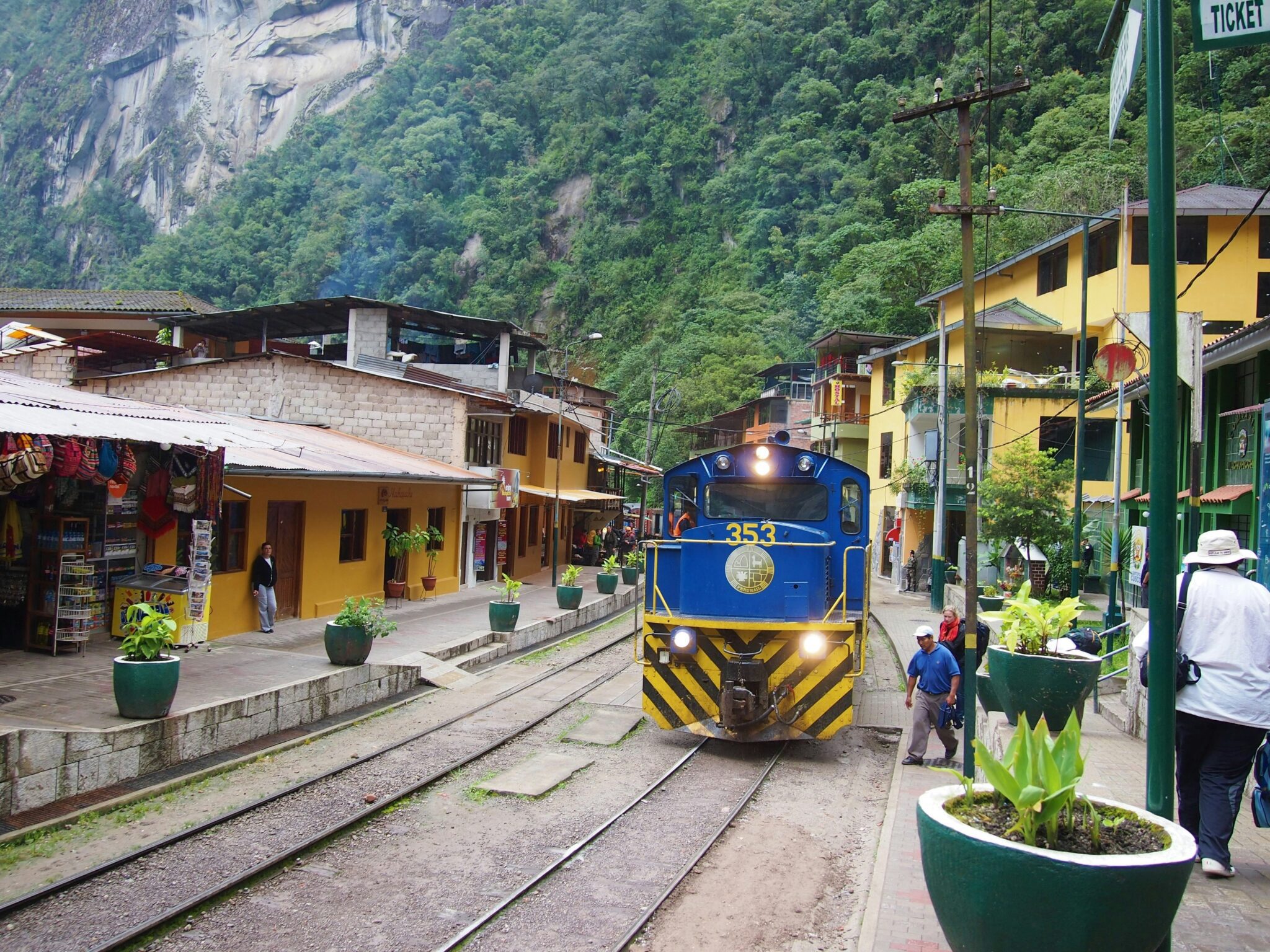
A common question for parents is: Can kids go to Machu Picchu? The answer is a resounding yes. There are currently no age restrictions for entering the Machu Picchu Citadel, making it a bucket-list destination that is accessible even for families with toddlers. However, navigating the “Lost City of the Incas” requires strategic planning regarding logistics and entry times. While the site is welcoming to all ages, the uneven stone paths and steep stairs mean that strollers are not permitted; we recommend a high-quality baby carrier for infants and a flexible itinerary that allows for plenty of breaks.
Hiking vs. Train: Choosing the Right Path
When it comes to reaching the ruins, the journey is just as important as the destination. While we offer the legendary Classic Inca Trail, we generally do not recommend the full 4-day trek for children under the age of 12. The high altitude, significant physical exertion, and steep “Gringo Killer” stairs can be overwhelming for younger hikers. For families with teens who crave adventure, the trek is a phenomenal bonding experience, but for those with younger children, the train is the gold standard for comfort, safety, and altitude management.
The Best Option: The Vistadome Train for Families
For a seamless and entertaining journey, we recommend the Vistadome Train as the premier choice for families. Unlike standard carriages, the Vistadome features panoramic windows that wrap into the ceiling, ensuring kids stay mesmerized by the changing landscapes of the Urubamba River and the cloud forest. To keep young travelers engaged, the return journey often includes onboard cultural shows, such as the Saqra dance and a fashion show featuring local alpaca wool garments. By choosing the Vistadome, the travel time becomes a highlight of the trip rather than just a transit period.
💡 Pro-Tip: The “Family Pace” Strategy
To keep the magic alive at the ruins, we utilize a “Family Pace” guide style. Instead of a dense academic lecture, we focus on the “living” elements of the site. Kids are usually captivated by the resident llamas that graze on the ancient terraces which make for perfect, low-stress photo ops. We prioritize “fun” structures like the Temple of the Sun and the Intihuatana stone, using storytelling to explain Incan engineering in a way that sparks a child’s imagination without the boredom of a long history lesson.
Is the Peruvian Amazon Safe for Kids? Jungle Lodges & Wildlife
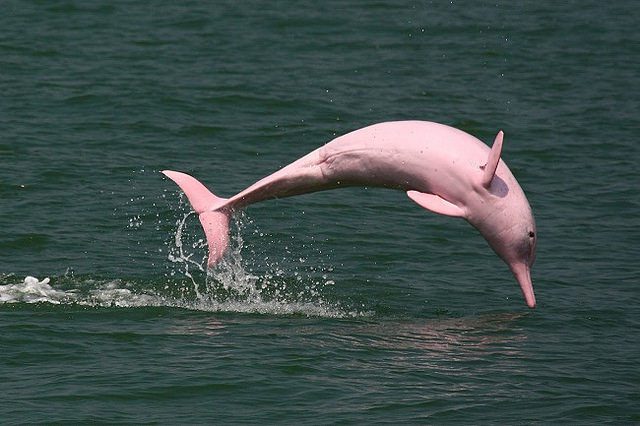
The Amazon Rainforest is often the unexpected highlight of a Peruvian family adventure. For children aged 8 and up, the jungle feels like a real-life transition into The Jungle Book, offering a multisensory experience that no classroom can replicate. To maximize your time and minimize travel fatigue, we recommend focusing on the Tambopata National Reserve, accessible via the gateway city of Puerto Maldonado. This region is ideal for families because it requires only a short, scenic flight from Cusco followed by a motorized boat ride—eliminating the long, arduous travel days often associated with deep-jungle expeditions.
Immersive Wildlife Encounters
In the heart of Tambopata, the biodiversity is staggering and surprisingly accessible for young explorers. Your family can expect to see vibrant macaws gathering at clay licks, caimans lounging on riverbanks during evening boat safaris, and multiple species of monkeys swinging through the canopy. One of the most unique sightings in this region is the giant river otter, often found playing in the tranquil oxbow lakes. These encounters provide children with a tangible connection to conservation, turning every boat ride and jungle trek into an active search for the Amazon’s most iconic residents.
Safety and Comfort in the Jungle
We understand that safety is the top priority when bringing children into a tropical environment. That is why we exclusively partner with eco-lodges that maintain rigorous standards for family comfort. Every guest room is equipped with high-quality mosquito netting, and lodges utilize UV-treated water systems to ensure hydration is safe and worry-free. Our selected lodges also offer family-sized bungalows, allowing everyone to stay together in a secure, screened-in environment that lets the sounds of the jungle in while keeping the “critters” out.
Unforgettable Activities for Teens and Kids
For older children and teenagers, the Amazon offers high-adrenaline activities that are both educational and thrilling. Canopy tower climbs take you 30 meters (100 feet) above the forest floor, providing a literal bird’s-eye view of the emerald horizon. As the sun sets, guided night walks reveal a completely different ecosystem; equipped with powerful flashlights, kids can spot bioluminescent insects, tree frogs, and harmless but fascinating spiders. These excursions are led by expert naturalist guides who specialize in making the complex science of the rainforest engaging for younger minds.
💡 Pro-Tip: The “Jungle Uniform”
To keep your kids bite-free and comfortable, pack lightweight, light-colored long sleeves and pants made of “breathable” synthetic fabrics. Mosquitoes are attracted to dark colors and can bite through tight denim, so loose-fitting trekking gear is your best defense. Don’t forget to pack a pair of high-quality binoculars for each child; having their own set prevents “waiting turns” and ensures they don’t miss the moment a Harpy Eagle or Red Howler monkey appears in the distance
Essential Peru Family Travel Tips: Food, Restrooms & Transport

If you are worried about your child’s palate, rest assured that Peru is arguably the easiest destination in South America for picky eaters. As the land of the potato, boasting over 3,000 native varieties, the humble spud is a staple of almost every meal. The “national dish” for children is undoubtedly Pollo a la Brasa—succulent, rotisserie-roasted chicken served with a mountain of crispy golden fries. For those craving something more familiar, Peru has a deep-rooted Italian influence, meaning fresh pasta, gnocchi, and thin-crust pizzas are available in even the smallest Andean villages. Between the carb-friendly options and the abundance of fresh tropical fruits, mealtime is rarely a struggle.
Restrooms & Hygiene: Navigating the “Baño”
Public hygiene in Peru can be unpredictable, with public restrooms often lacking basic supplies like toilet paper or soap. This is where the value of a private tour becomes truly apparent. Our experienced drivers and guides have a curated “clean map” of Peru, knowing exactly which gas stations, cafes, and museums maintain high standards along every route. To ensure your family’s comfort, our private vehicles are always stocked with high-grade hand sanitizer and backup toilet paper. We take the guesswork out of “nature calls,” so you can focus on the scenery rather than the logistics of the next stop.
Private Transport vs. Public Bus: Why Flexibility Wins
When traveling with children, the rigid schedules of public buses can be the greatest source of stress. Choosing private transport transforms the journey from a logistical hurdle into a highlight of the trip. In a private van, your family dictates the pace: if a child feels car sick or simply needs to stretch their legs, we pull over immediately. If you spot a double rainbow over the Sacred Valley or a herd of alpacas by the roadside, we stop for the photo. This level of door-to-door flexibility ensures that you aren’t tied to a bus terminal at 4:00 AM, giving your kids the rest they need to enjoy the adventure.
💡 Pro-Tip: The “Soles for Stalls” Rule

Always keep a small pouch of Peruvian Soles coins (specifically S/ 1.00 and S/ 2.00) in your day pack. Many restrooms in markets and smaller towns are attended by a “baño keeper” who charges a small fee for entry and a few squares of paper. Having exact change ready saves you from the “no change” frustration and ensures a much smoother experience for your little ones
Itinerary Planning: Traveling with Toddlers vs. Teenagers
Traveling with Toddlers (Ages 0–4): Slow and Steady
When exploring Peru with your youngest explorers, the two most important factors are gear and pace. First, leave the stroller at home (or at your hotel); the historic cobblestone streets of Cusco and the narrow, uneven stairways of Machu Picchu are nearly impossible to navigate with wheels. Instead, we recommend a sturdy ergonomic carrier or hiking backpack. Regarding your schedule, the “less is more” philosophy is key. We design toddler-friendly itineraries around half-day tours, leaving the afternoons free for naps or low-key play at the hotel. This prevents “meltdown-inducing” fatigue and allows the whole family to stay synchronized with the local rhythm.
Traveling with School-Age Kids (Ages 5–12): Hands-On Discovery
For elementary-aged children, the goal is to make the history of the Incas feel like an active adventure. This age group thrives on interactive workshops—think pottery painting in the Sacred Valley or the bean-to-bar chocolate making at ChocoMuseo. Animals are also a massive draw; seeing a real-life llama for the first time is a core memory in the making. Pro-Tip: To build anticipation before your flight, have a family movie night to watch The Emperor’s New Groove. While not a history documentary, it’s a fun way to get them excited about the Andean landscapes, the concept of “The Inca,” and, of course, the llamas they are about to meet!
Traveling with Teenagers (Ages 13+): High-Adrenaline Adventure
To keep teenagers fully engaged, we pivot from “looking” to “doing.” While the history of Machu Picchu is impressive, teens often crave a physical challenge to balance out the cultural tours. We can integrate high-octane activities like ATV quad biking through the salt mines of Maras or zip-lining across the sprawling canyons of the Sacred Valley. We also recognize the importance of staying connected; our private transport and partner hotels feature reliable Wi-Fi, allowing your teens to share their stunning drone-style vistas and adventure reels with friends back home in real-time.
💡 Pro-Tip: The “Kid-Friendly” Altitude Kit
For kids of all ages, the transition to high altitude is easier when it’s fun. Pack a “high-altitude snack bag” with local favorites like Sublime chocolates and salty plantain chips. The sugar and carbohydrates help with energy levels, and the distraction of a “foreign” treat makes the travel days feel like a party rather than a chore.
Why Booking a Private Family Tour is Safer than DIY
When you travel with children, the goal is to eliminate the “unknowns” that can turn a dream vacation into a stressful ordeal. At Journey Machu Picchu, we aren’t just travel experts; we are local parents ourselves. We understand the nuances of Andean travel that a guidebook won’t tell you—like which boutique hotels have the most reliable heating for those chilly Cusco nights, and which local restaurants provide the lightning-fast service essential for hungry toddlers. We also maintain a direct network of medical professionals and 24/7 support, ensuring that if an altitude headache or a tummy bug strikes, you have immediate, expert assistance.
Choosing a private tour over a “Do-It-Yourself” approach means you aren’t spending your precious vacation time stressing over shifting train schedules, navigating terminal logistics, or monitoring local news for travel disruptions. Our team handles the complex “behind-the-scenes” coordination, from vetting the safety of every driver to securing timed entry permits for Machu Picchu months in advance. By removing the friction of international travel, we allow you to step out of the “logistics manager” role and back into the “parent” role, so you can focus entirely on making lifelong memories with your children.
📥 Ready to Plan Your Family Adventure?
Don’t leave your once-in-a-lifetime trip to chance. Let our local experts craft a custom, kid-tested itinerary tailored specifically to your family’s needs.


