

Peru Trip Cost 2026: Full Budget Breakdown & Savings
James Bustamante is Native to New York but born to Peruvian parents. He has been traveling throughout Latin America since early 2003 and finally made his home in Peru. James has made his way by eating and traveling through almost every country in Central and South America.
Last Updated on March 3, 2026 by Michael R. Barthelmess
How much should you really budget for a dream trip to Peru in 2026?
Suppose you’ve spent any time investigating and Googling potential itineraries to Peru. In that case, you’ve probably found everything from shoestring budgets starting at $25‑a‑day all the way to five‑figure luxury tour quotes—none of which feel tailored to your specific travel plans.
The cost of air travel tends to spike around festivals and the high season (April-August). Machu Picchu permits sell out months ahead, and random costs like altitude medication and a suggested packing list can send your vacation costs over the top.
As Peru specialists who book thousands of itineraries annually, the Journey Machu Picchu travel team has put together a list of 2026 (into 2027) prices—flights, hotels, trains, entrance fees, meals, and tips, and pretty much all that goes into a Peru tour package to one clear travel guide for this destination. By the end, you’ll know exactly what a 7‑, 10‑, or 14‑day adventure costs at backpacker, comfort, and luxury levels.
Average Trip‑Cost Snapshot (2026, USD)
| Travel Style | Daily Spend(excludes int’l flight) | 7‑Day Total(+ avg US ↔ Lima flight ≈ $800) | 14‑Day Total(+ avg US ↔ Lima flight ≈ $800) | What’s Included at This Level |
|---|---|---|---|---|
| Backpacker / Budget | $65 – $85 | $1,250 – $1,400 | $1,900 – $2,400 | Hostels or guest‑houses, basic buses & colectivos, entry‑level Machu Picchu ticket, street‑food & market meals, DIY day tours. |
| Mid‑Range / Comfort | $150 – $220 | $1,850 – $2,340 | $3,900 – $4,900 | 3★–4★ boutique hotels, PeruRail Vistadome, small‑group guided tours, two domestic flights, restaurant dining, travel insurance. |
| Luxury | $350 – $600 | $4,250 – $5,000 | $8,700 – $9,200 | 5★ heritage or eco‑lodge stays, Hiram Bingham train or IncaRail First Class, private guide & driver, gourmet tasting menus, spa add‑ons, premium insurance. |
Key Factors That Shape Your Peru Travel Budget
How much you spend on a trip to Peru depends on a combination of variables—some you can control, others not so much. Your preferred travel style, length of travel, and overall Peru destination choice can drastically shape and change your itineraries’ final cost.
For example, suppose you wanted to go to the Amazon rainforest to see flora and fauna. In that case, visiting a nature reserve in Puerto Maldonado, visiting Iquitos, or taking an Amazon river cruise is very different. All offer the possibility to see and photograph the rainforest, but at different levels and price points. Below, we summarize the main factors influencing your overall Peru trip cost.
Peru Trip Cost: International Flights to Peru
Flights are often the most expensive part of your Peru travel package. They can sometimes be as expensive as and often more expensive than the rest of your Peru travel package. This is especially true if you’re from North America or Europe. Prices can also vary significantly based on your city of departure, time of year, and how early you book the flight. Below are some quick stats on pricing.
- From major U.S. cities (NYC, LAX, Miami): $550 – $750 (shoulder season), $800 – $1,300 (peak)
- From Europe (Madrid, Amsterdam, London): $650 – $1150 on average
- Pro Tip: Use tools like Google Flights and Hopper to track fare changes, and consider mid-week departures for better prices. Booking 3–4 months in advance typically will get you better airfare rates.
Domestic Transportation
Once in Peru, you’ll likely need to take flights, buses, and trains to reach Cusco, the Sacred Valley, and Machu Picchu. Domestic flight prices can vary depending on your luggage configuration. A Lima—Cusco—Lima flight with a checked-in bag and a piece of carry-on luggage can cost from $190 – $300 roundtrip. Below are some other examples and current prices for local transportation.
- Domestic Flights (Lima to Cusco, Arequipa, or Puerto Maldonado): $55 – $120 one-way
- Long-Distance Buses: $25 – $45 (VIP reclining seats)
- Peru Rail Trains to Machu Picchu: $65 (Expedition), $95 (Vistadome), $400+ (Luxury Hiram Bingham)
Booking trains and internal flights early can help keep costs down, especially during June to August when the peak of the high season takes place.
Peru Accommodations
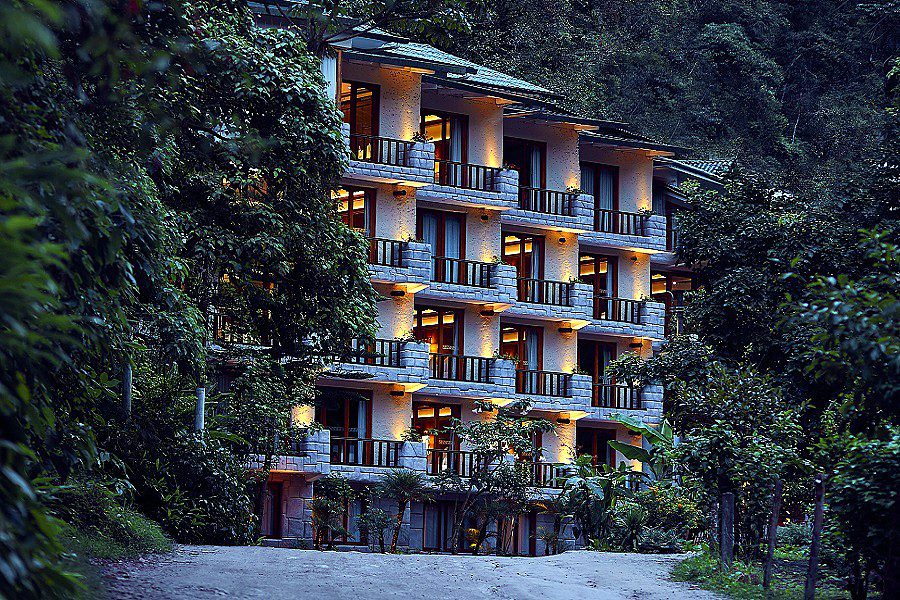
After international flights, the largest portion of your travel expenses will likely go to accommodation. Where you stay will significantly affect your Peru trip costs. Peru offers a wide range of lodging, from affordable hostels and budget guesthouses to boutique hotels, high-end eco-lodges, and luxury specialty hotels.
- Budget hostels and guesthouses: $15 – $45 per night
- Mid-range boutique hotels (3★ – 4★): $70 – $140 per night
- Luxury stays (5★ or eco-lodge): $250 – $1400 per night
Tours and Excursions
Expect to pay more in tourist hubs like Cusco and less in smaller towns. There are also exceptions, like Aguas Calientes, which is a very small town. Since it is the only gateway to Machu Picchu, hotels in Aguas Calientes can range from the affordable $40/night to the uber-luxurious Belmond Sanctuary lodge, which can cost up to $2400/night.
While you can explore some places independently, most iconic destinations—like Machu Picchu, the Sacred Valley, and the Amazon—are best experienced through guided tours. In some cases (like Machu Picchu and Amazon nature reserves) can only be done as a guided experience and not independently.
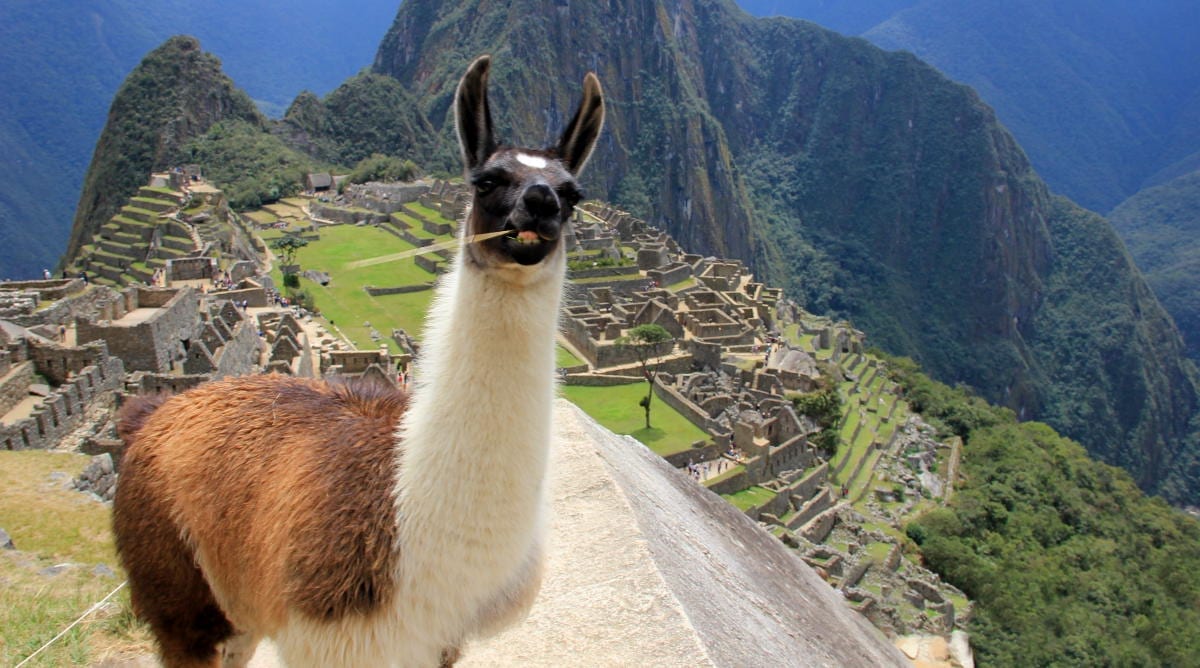
- Machu Picchu Day Tour from Cusco: $310 – $450+
- Inca Trail 4-Day Trek (includes permit, guide, porters): $695 – $900
- Amazon Jungle Lodges (3 days): $800 – $1600+
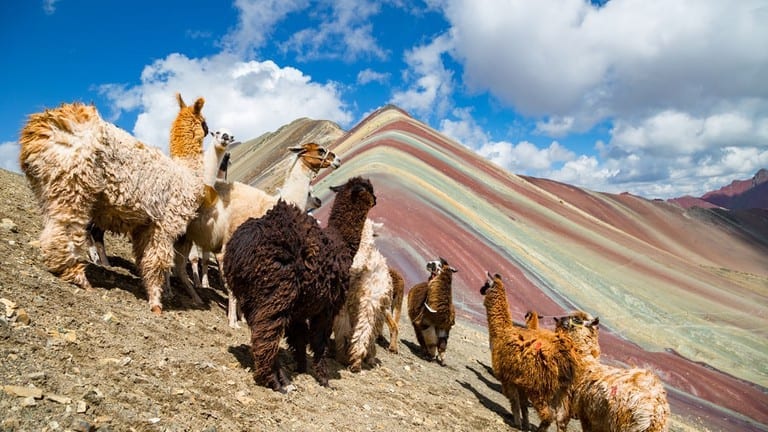
Multi-day tours usually include lodging, meals, transport, and guide services, offering good value for money. Single-day tours like hikes in Rainbow Mountain or Humantay Lagoon can range from $45 in a group to $150/person as a private experience.
Food and Going Out To Eat
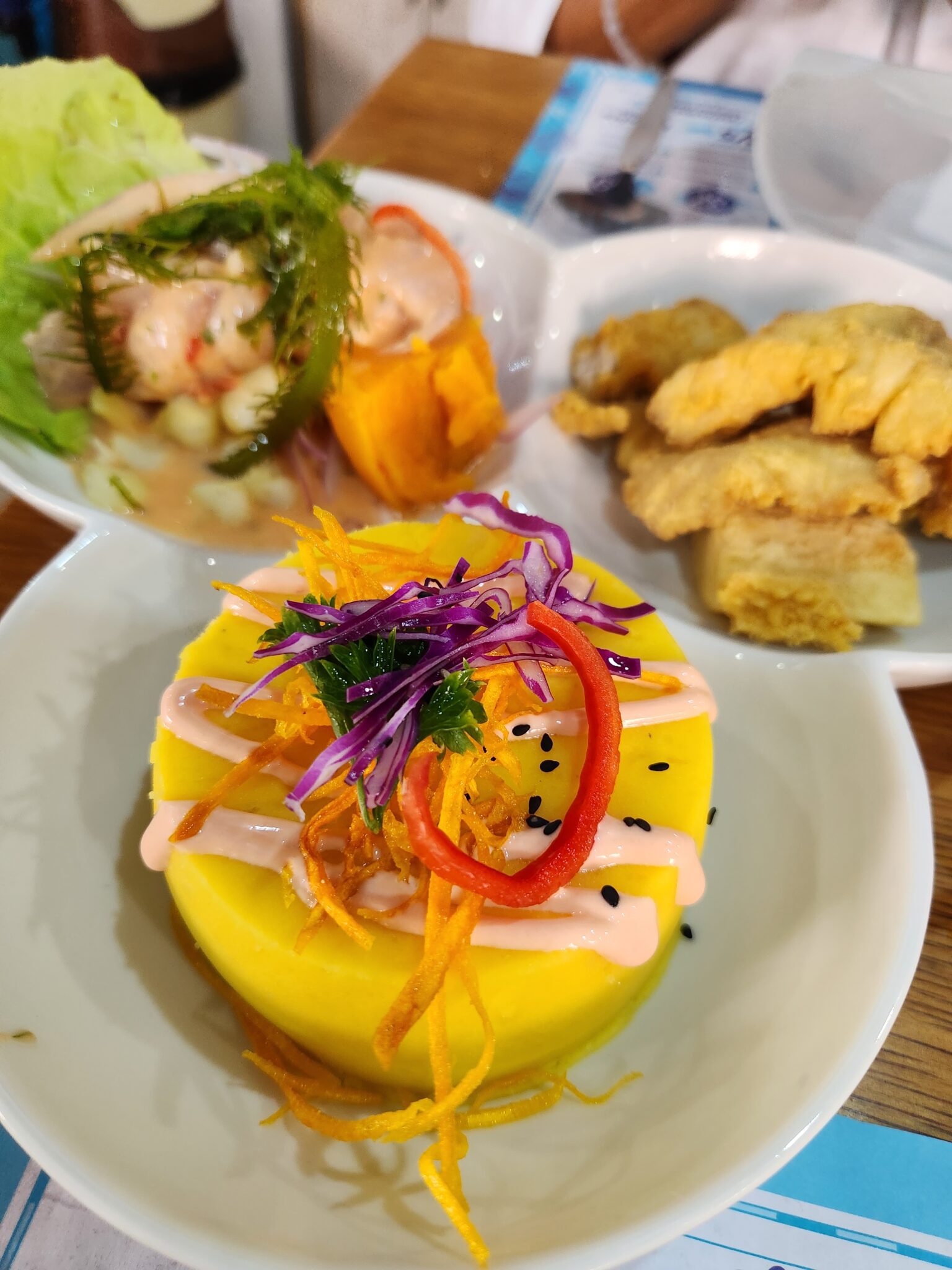
Peruvian gastronomy has been on the rise in the last few years, with world-class restaurants like Central, Maido, Mayta, and several other not-so-famous places offering equally amazing dishes. There has been a phenomenal increase in “Foodies” or culinary-focused travelers. Having stated all of that, food in Peru is delicious and surprisingly affordable, especially if you’re open to eating where locals eat.
- Budget (local menus and street food): $5 – $10/day
- Mid-range (cafes and casual restaurants): $15 – $40/day
- High-end dining (gourmet restaurants): $60 – $100+/day
Many hotels include breakfast, and lunch “menu del día” meals often cost as little as $4–$7, but we always recommend that travelers venture out and try the local restaurants.
Entrance Fees and Permits
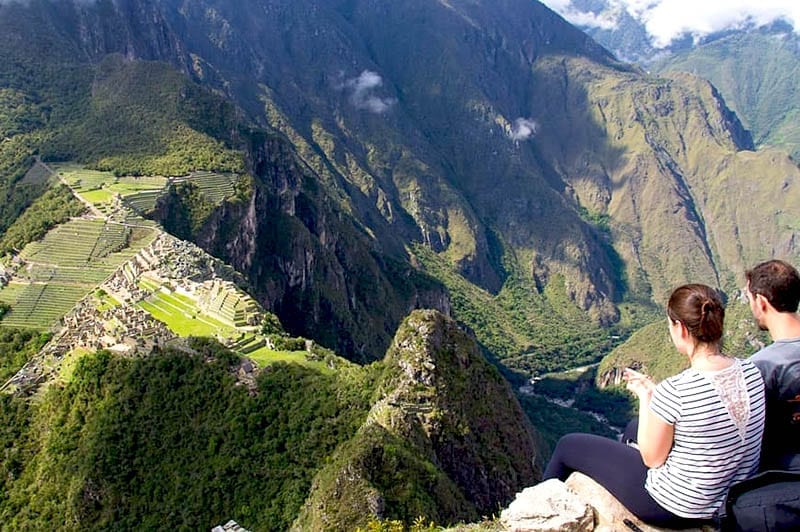
Tickets and entrance fees for archaeological sites, many of which need to be purchased well in advance, are also included in the cost of your Machu Picchu travel itinerary, however, it’s generally good to know what these minor costs are and how they can add up. Below is a short list of these fees, but they tend to change yearly.
- Machu Picchu General Entry: $62
- Machu Picchu + Huayna Picchu Access: $86
- Inca Trail Permit (4-day): $695 (includes full service)
- Boleto Turístico (Cusco Tourist Ticket): $42
If you’re visiting during the high season, book permits and Machu Picchu tickets at least 3–4 months ahead. I can’t stress this enough: booking early is the best possible option for Machu Picchu. We get dozens of requests from travelers trying to book an entry to Machu Picchu (usually 14 to 30 days before they are due to travel), and we have to let them know there isn’t anything available for their travel dates.
Travel Insurance and Health Costs
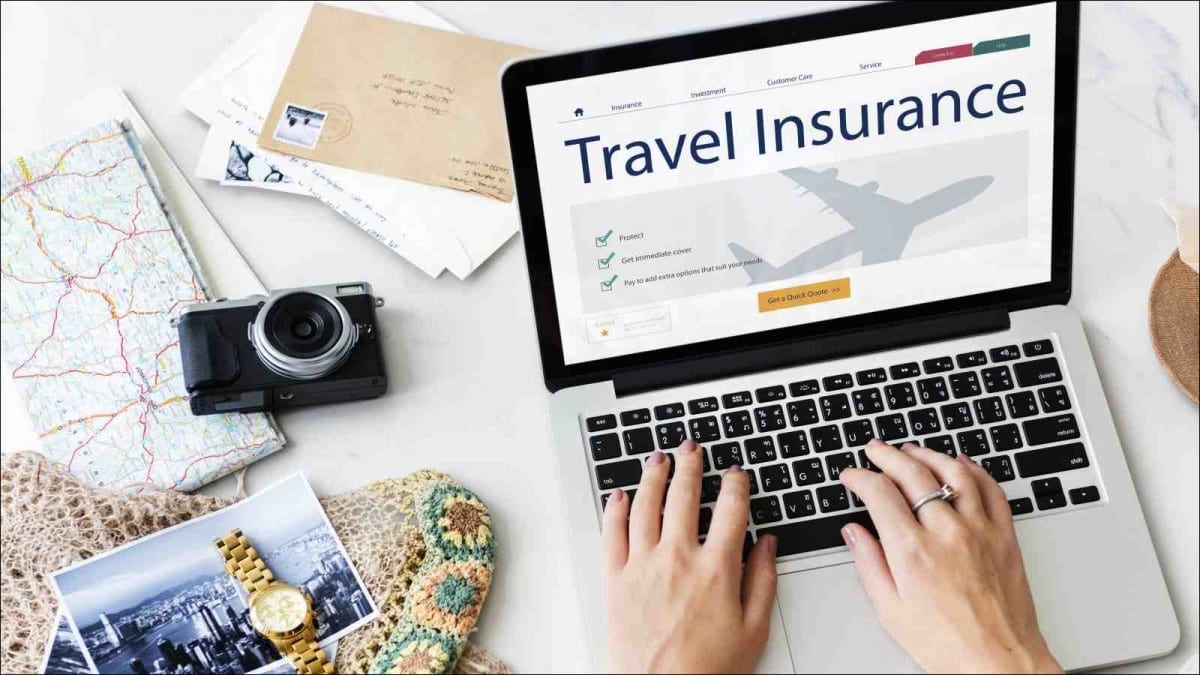
While optional, we strongly recommend having travel insurance, especially for adventure travelers. Some policies also cover altitude sickness or trip interruption. There is always the possibility that you might fall ill during your trip, and travel insurance is the best way to mitigate that issue. Yes, hospitals and clinics are much more affordable in places like Latin America, but you will also have to pay upfront in countries like Peru.
You may also miss your international flights due to unforeseen circumstances; most travel insurance policies will also cover this issue.
- Standard travel insurance (2-week trip): $60 – $120
- Comprehensive or high-risk adventure coverage: $150 – $250
If you’re planning high-altitude hikes or Amazon travel, check that your policy covers evacuation and medical care.
Overlooked Expenses in Peru
Even the most carefully planned Peru trip budget can go off track thanks to small expenses that add up fast. Sometimes these unexpected costs are so small they feel trivial, and never register in your plans until you are already in Peru. Here are the most common costs travelers forget to include:
ATM Fees & Currency Conversion
While Peru is still primarily a cash-based economy, you can pay just about everywhere with your credit or debit card. However, if you need to withdraw money from local ATMs, you might have to pay some steep fees. This is particularly true if you are trying to withdraw in local currency from your overseas account.
- ATM withdrawal fees: $5–$9 per transaction (plus your home bank’s fee)
- Currency conversion losses: 3–5% if you pay in USD or use a non-travel credit card
Travel Tip: To save on ATM charges, use cards with no foreign transaction fees and withdraw larger amounts less frequently.
Airport Transfers & Short Hops
Getting from the airport to your hotel or between towns not served by long-distance buses adds up quickly. If you booked a travel package with us, these services are already included, but if you decide to plan your trip on your own, please consider these additional costs.
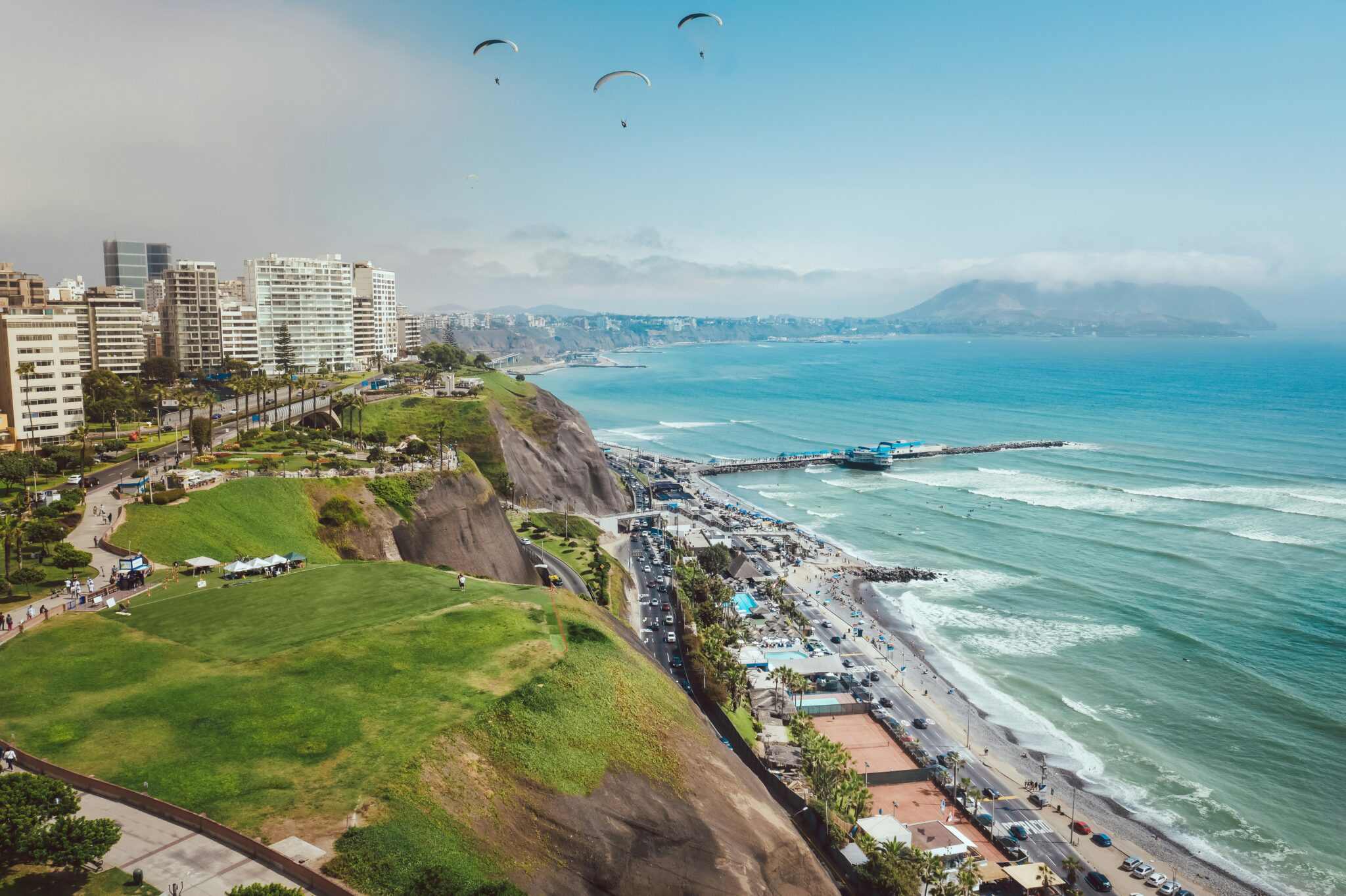
- Lima airport to Miraflores taxi: $20–$30
- Cusco airport to city center: $10–$15
- Ollantaytambo to Cusco van: $15–$25
Travel Tip: These transfer costs are included in our tours—If you are booking with another agency or operator, please confirm before assuming they are included.
Altitude Medication & First-Aid

One of the first questions we get from our travelers as soon as they book a trip is how to deal with altitude sickness. Traveling in the Andes often requires preparing for altitude sickness, especially in places like Cusco, which sits over 11,000 feet.
- Over-the-counter altitude meds (e.g., Sorojchi Pills): $6–$10 per pack
- Coca tea/oxygen canisters (optional): $2–$20
- Basic travel pharmacy items: $15–$30
Remember to bring travel-sized sunscreen and lip balm with SPF. High—altitude UV is intense even on cloudy days, and high elevations and the dry season can wear on the lips.
Shopping for Souvenirs & Local Handicrafts
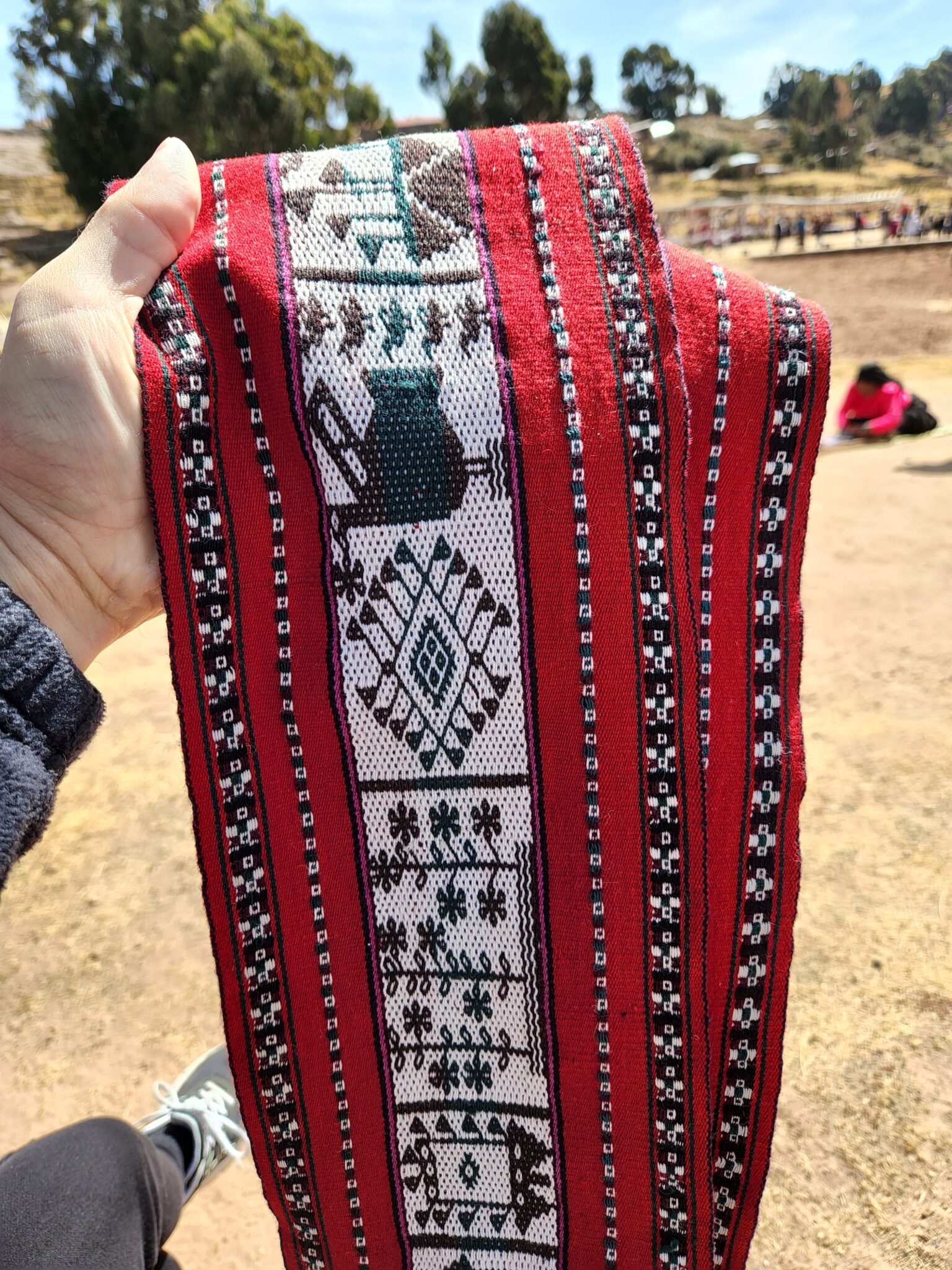
Markets in Cusco, the Sacred Valley, and Lima are packed with beautiful (and tempting) artisan goods. Travelers tend to flock to these markets to purchase items like Alpaca clothing, silver pieces of jewelry, wool products, Andean good luck charms, and many others.
These souvenirs and handicrafts are locally made and, in some cases, come from a single source. This means that the vendor might own the llamas that produce the wool, and a family member may take care of the item’s production. This isn’t true in all cases, though. Below are some examples of items you can purchase.
- Alpaca wool scarf: $20–$50
- Handwoven textiles or tapestries: $40–$100+
- Ceramics, jewelry, or leather goods: Varies widely
Tip: Budget a “souvenir fund” if you plan to bring home gifts. Cash is usually required, but you’d be surprised how many local merchants have mobile point-of-sale devices in some of these remote locations.
Paying for Tips & Gratuities

Tipping is not always expected, but it is appreciated—especially in tourism-related services. Usually, people leave a few coins or whatever change they might have as a tip after meals in restaurants. If the meal was excellent, consider leaving 10%, which is what I usually leave, but this is never mandatory. There are loads of other services where you might want to leave a tip, but again, it is not an obligation. Below is a short list of services where tips might be expected.
- Tour guides (group tour): $5–$10 per day
- Private guides or drivers: $10–$20+ per day
- Hotel porters / housekeeping: $1–$3 per service
- Restaurant service (mid- to high-end): 5–10%
Travel Tip: Bring small bills (soles) in denominations of 5 (coin), 10, and 20 for easy tipping.
Entry/Exit Fees & Visa Costs (Some Nationalities)
Most US, Canadian, EU, and U.K. travelers do not need a visa to visit Peru (up to 183 days). However, certain nationalities may need to budget for visa applications or reciprocity fees. This is also the case for travelers visiting multiple countries. For example, a visa application and fee will be required if a US tourist also plans to visit Bolivia.
- Example: Bolivia border crossing fees, visa-on-arrival charges for some nationalities
- Printed documentation: In some cases, you may need to pay for printed ticket confirmations or insurance proof.
Laundry & Toiletries
If you travel for more than 7–10 days, laundry costs may sneak into your budget. Hotels have laundry service, but it can get expensive. Some travelers might opt to find a laundry mat somewhere in Miraflores (there are several) where you pay by the pound. There aren’t many DIY laundry mats, though, so you might have some trouble finding one.
- Laundry service (per kg or per bag): $5–$12
- Replacement toiletries or forgotten items: $10–$25
How Booking A Peru Tour Package Can Save You Time and Money
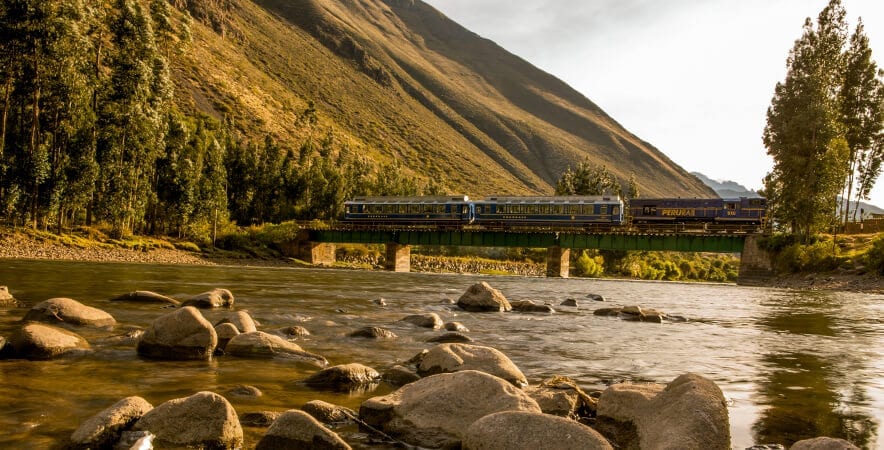
Traveling to Peru doesn’t have to mean choosing between comfort and affordability. At Journey Machu Picchu, we design every itinerary with cost-efficiency in mind—without cutting corners on experience, safety, or service. Booking a fully customizable package is a great way to get through all of the details of the trip. Not to mention having to navigate through booking circuits, permits, train schedules, and all the other time-sensitive ins and outs of the trip.
Here’s how we help you get the most value out of your trip:
1. Transparent, All-Inclusive Pricing
There are no hidden fees or surprise charges. Our quotes clearly include all of the services you need to take your trip to Latin American. You don’t need to worry about hotels, domestic flights, Machu Picchu tickets, guided tours, and even airport transfers. You’ll know your full trip cost before you board a plane.
2. Insider Rates with Local Partners
We work directly with a trusted network of local hotels, transport providers, specialty operators, and guides—no middlemen. That means we negotiate better rates and pass the savings directly to you. In many cases, our prices beat what you’d find booking everything independently.
3. Smart Itinerary Design = Fewer Wasted Days
By optimizing routes and timing, we help you avoid extra overnight stays, costly last-minute transport, and high-season tourist pricing. Our team of seasoned travel advisors customizes your schedule so you don’t waste time—or money—backtracking between destinations.
4. Early Booking = Permit & Ticket Savings
One of the key features of our successful trips is to secure Machu Picchu and train tickets months in advance, locking in the best rates before peak-season surcharges hit. If you’re planning, we’ll guide you on how to get the most value from every component of your trip.
5. Flexible Options for All Budgets
Whether you’re a budget backpacker or a luxury explorer, we help you build a trip that fits your budget—without compromising your experience, which should always be fantastic. Want to splurge on a scenic train ride through the Andes but save on hotels? Our expert advisors will always give you various options for your budget needs.
6. Ongoing Support = No Costly Mistakes
From visa advice to altitude prep, our travel specialists help you avoid common (and expensive) travel pitfalls. If plans change at the last minute, we’re here to help you adapt.
Conclusion: Ready to Plan Your Peru Adventure?
By now, you should have a clear idea of how much a trip to Peru costs—from flights and tours to meals, permits, and those sneaky extras most people forget. Whether traveling on a tight budget or planning a once-in-a-lifetime luxury escape, thoughtful planning starts with knowing your numbers. For more details on Peru trip costs or if you’d like to go through any of our destinations, do not hesitate to contact our travel advisors using our contact form below.
Frequently Asked Questions About Peru Trip Costs
How much does a trip to Peru cost in 2025?
A 10-day trip to Peru in 2025 typically costs between $1,900 and $4,500 per person, depending on your travel style. Backpackers can keep costs under $2,000, while comfort-level travelers usually spend around $3,000–$3,500. Luxury experiences—including 5-star hotels and premium trains—can push the total to $6,000 or more.
2. What’s the most expensive part of visiting Peru?
International flights and Machu Picchu tours tend to be the biggest expenses. Inca Trail permits and luxury train tickets also add up quickly. Booking early and traveling in the shoulder season (Feb–April, Sept–Nov) can significantly reduce costs.
3. Is Peru a budget-friendly destination?
Yes—Peru is one of the most affordable travel destinations in South America, especially for food, transport, and accommodation. With proper planning, even a modest budget can cover comfortable lodging, guided tours, and high-quality meals.
4. How much should I budget per day in Peru?
Here’s a rough daily estimate per person:
Backpacker: $65–$85
Comfort/Mid-range: $150–$220
Luxury: $350–$600
This includes hotels, meals, entrance fees, local transport, and guided tours—but not international flights.5. Are Machu Picchu tickets included in most tours?
Yes, most Machu Picchu day tours and multi-day packages include entry tickets, shuttle buses, train rides, and a licensed guide. Always check what’s included in your package before booking, especially during high season when ticket availability is limited.
6. Can I visit Peru without a tour package?
You can absolutely travel independently, but guided tours offer convenience, local insights, and often better value—especially for remote sites like Machu Picchu or the Amazon. Booking a package also helps avoid the hidden costs of piecing everything together on your own.
7. Do I need to carry cash in Peru?
Yes. While credit cards are accepted in major hotels and restaurants in Lima and Cusco, many local markets, transport services, and small eateries are cash-only. It’s a good idea to carry Peruvian soles in small denominations for tips, souvenirs, and street food.
8. Does travel insurance cover altitude sickness?
Some policies do—but not all. If you plan to visit high-altitude destinations like Cusco, Lake Titicaca, or Rainbow Mountain, look for a plan that covers high-altitude trekking, medical evacuation, and emergency care. We recommend confirming this before departure.


