

Exploring Cusco: The Ultimate Guide to the Inca Capital
James Bustamante is Native to New York but born to Peruvian parents. He has been traveling throughout Latin America since early 2003 and finally made his home in Peru. James has made his way by eating and traveling through almost every country in Central and South America.
Last Updated on November 10, 2025 by Michael R. Barthelmess
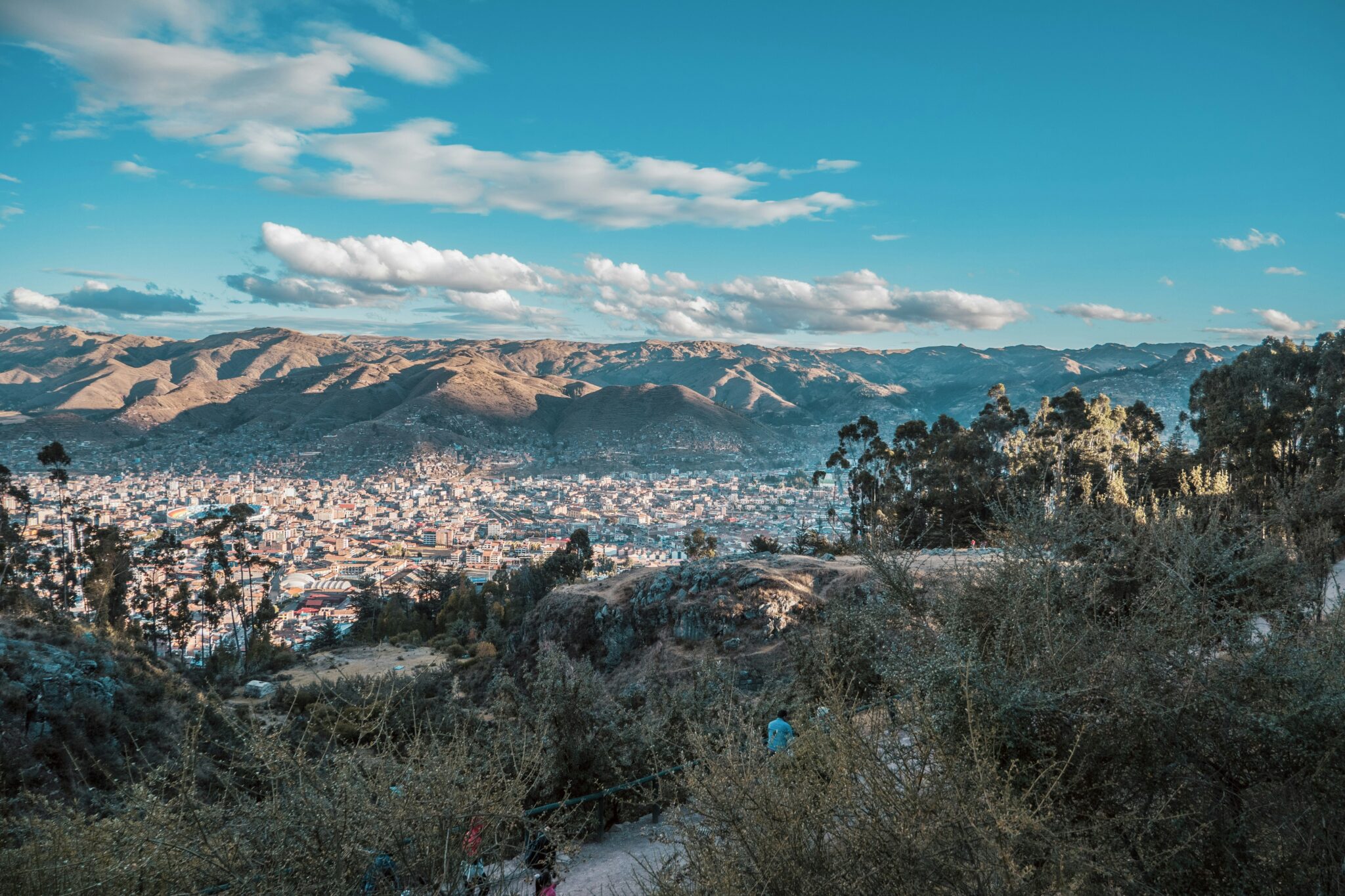
Nestled high in the Peruvian Andes, Cusco (Cusco or Qosqo in Quechua) is a city where Inca temples share street corners with colonial churches and bohemian bars. Once the imperial capital of the Incas, it is now the gateway to Machu Picchu and the Sacred Valley. At an altitude of around 3,400 meters (11,150 ft), this UNESCO‑listed city is a place to acclimate slowly and soak in a fusion of history and living culture. Whether you are preparing for a hike to Machu Picchu or exploring the Andes’ modern creative scene, Cusco rewards travelers who wander its plazas, climb its hills, and venture into the surrounding valleys. Let’s go through some of Cusco’s landmarks you’ll want to visit there.
The Heart of Cusco: Plaza de Armas
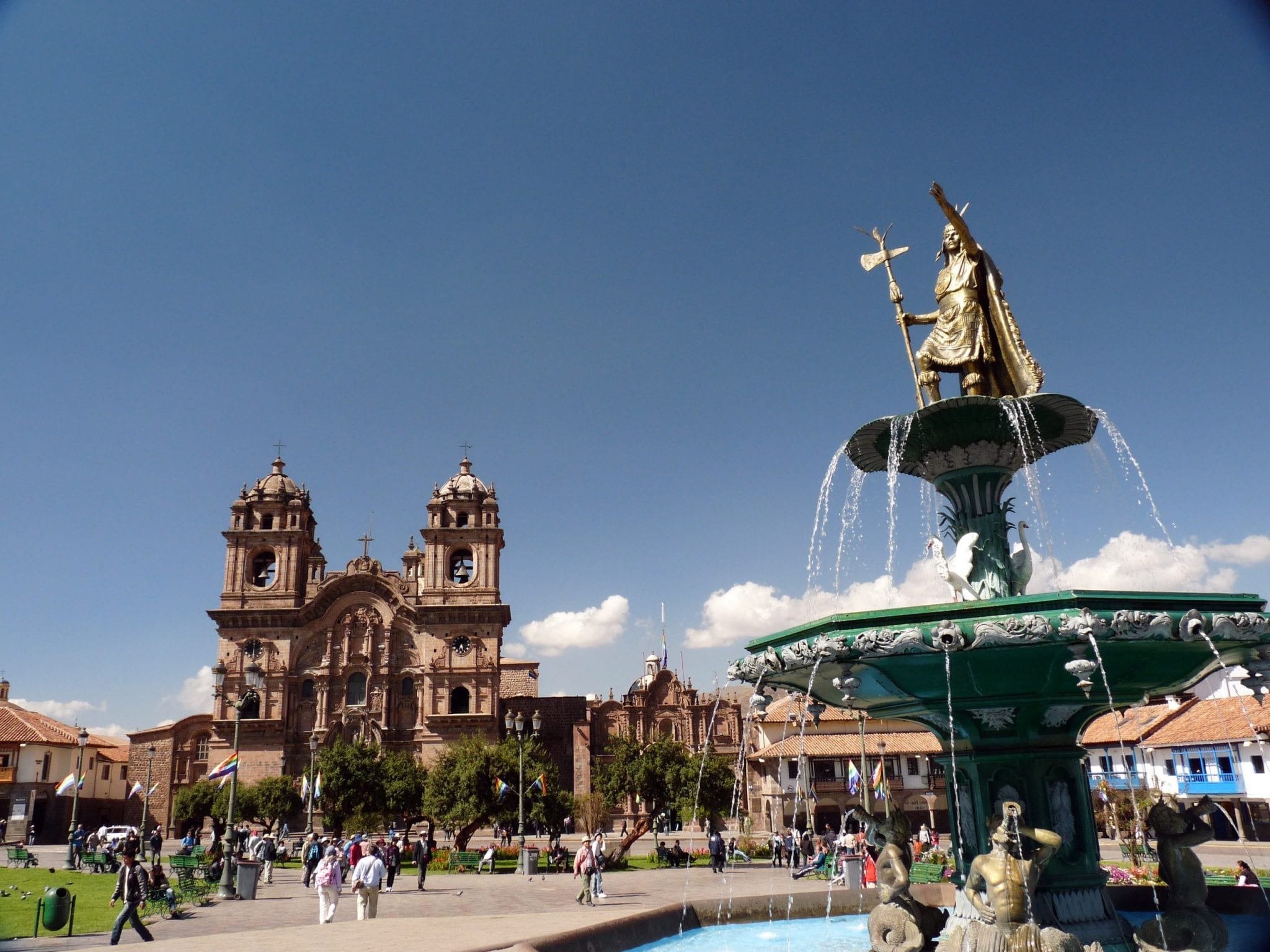
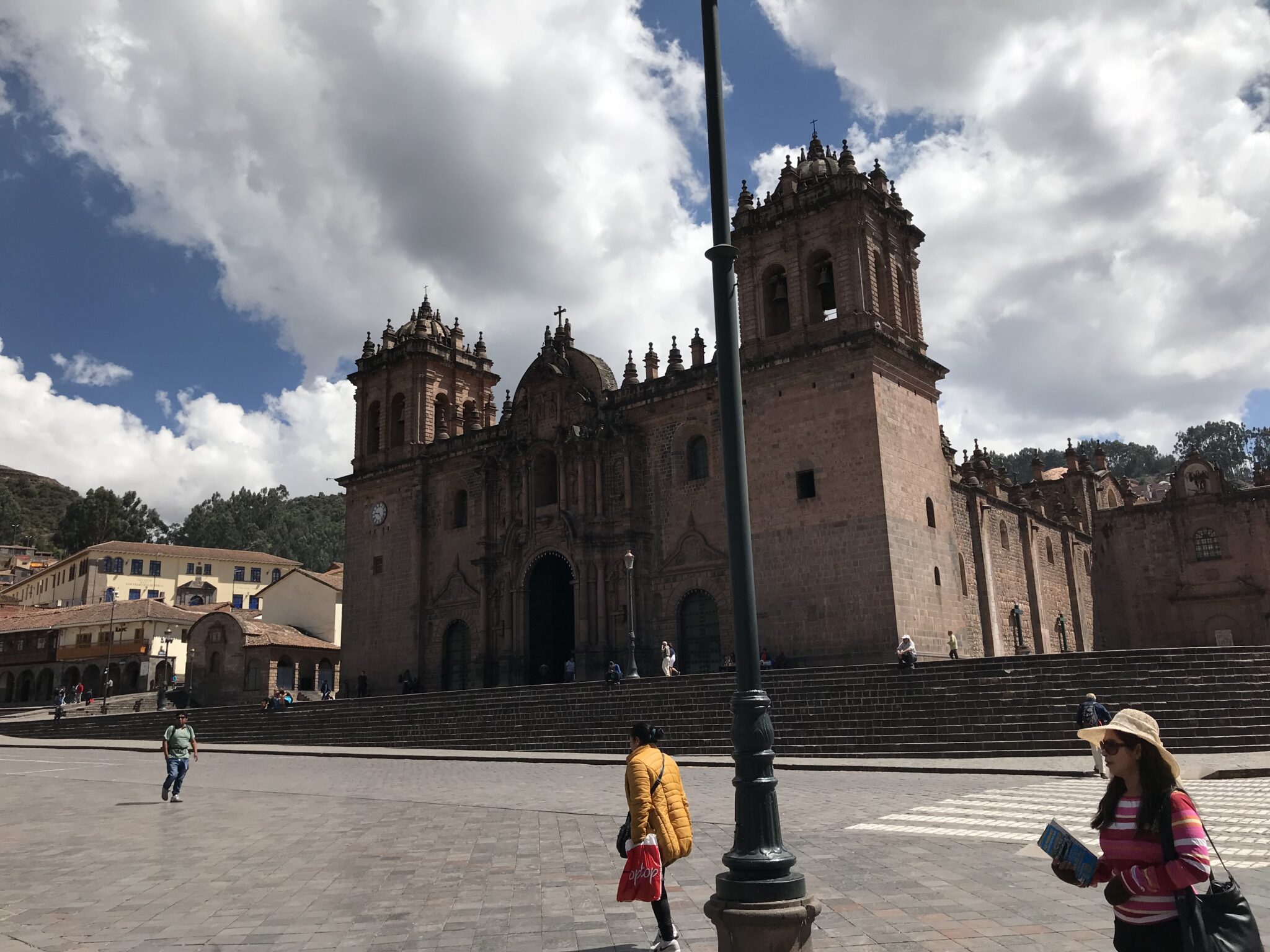
Start your exploration in the Plaza de Armas. This historic square has been the center of Cusco since the days of the Inca Empire. Known as Huacaypata (“Square of the Warrior”) during Inca times, this plaza was a stage for ceremonies and symbolic acts; Spanish conquistadors later built a cathedral and the Church of the Society of Jesus around its perimeter.
Today, the square is lined with balconies and cafés. Stop by one of the second‑floor balconies for coffee and get a glimpse the local life and the occasional festival parade. The Cusco Cathedral, built with stones taken from nearby Sacsayhuamán, displays colonial art including a famous Last Supper painting featuring a roasted cuy (guinea pig). Next door, the Church of the Society of Jesus rises on the foundation of an Inca palace, representing the blend of cultures that defines Cusco.
A few blocks away, the artsy San Blas neighborhood epitomizes the city’s artisan spirit. Narrow lanes climb steeply past colonial houses with cobalt‑blue balconies and hidden courtyards. Historically an artisan area, San Blas still houses dozens of workshops where wood carvers and painters work on pieces inspired by Andean myths. Today it is also a bohemian quarter filled with cafés, hostels, music venues and boutiques. Wander uphill to the San Blas viewpoint or sip a cocktail at Limbus Restobar; both offer panoramic views of tile roofs and church domes spread across the valley. If you are in the market for unique pieces of art then by all means explore the various shops and see if you find something you like.
Visiting around sunset or dawn rewards you with dramatic Andean skies. Nearby is the Coca Museum, which recounts the cultural and medicinal role of coca leaves. Exhibits explore how coca leaves are chewed to combat altitude sickness and how colonists turned them into illicit products, while the museum shop sells herbal remedies and artisanal gifts.
On the opposite side of the historic center lies the famous San Pedro Market—a sprawling covered market where locals buy produce, meats, breads and herbal remedies. The market remains a window into daily life of the local “cusquenos”; you will see mountains of fruits and vegetables, towers of Andean cheese and stalls offering hearty meals. In fact, you can visit this market and find breakfast and lunch offerings all at the same time. Another alternative is to visit the fruit juice section where the local show owner will peel, slice, and blend exotic fruit into some of the best juice you will ever try.
It is one of the few markets where bartering still happens, so do not be afraid to negotiate when there is no price tag. For a more immersive experience, wander through the market early in the morning when vendors sell fresh juices and steamed tamales and locals pick up breakfast supplies.
Sacred Temples and Inca Heritage
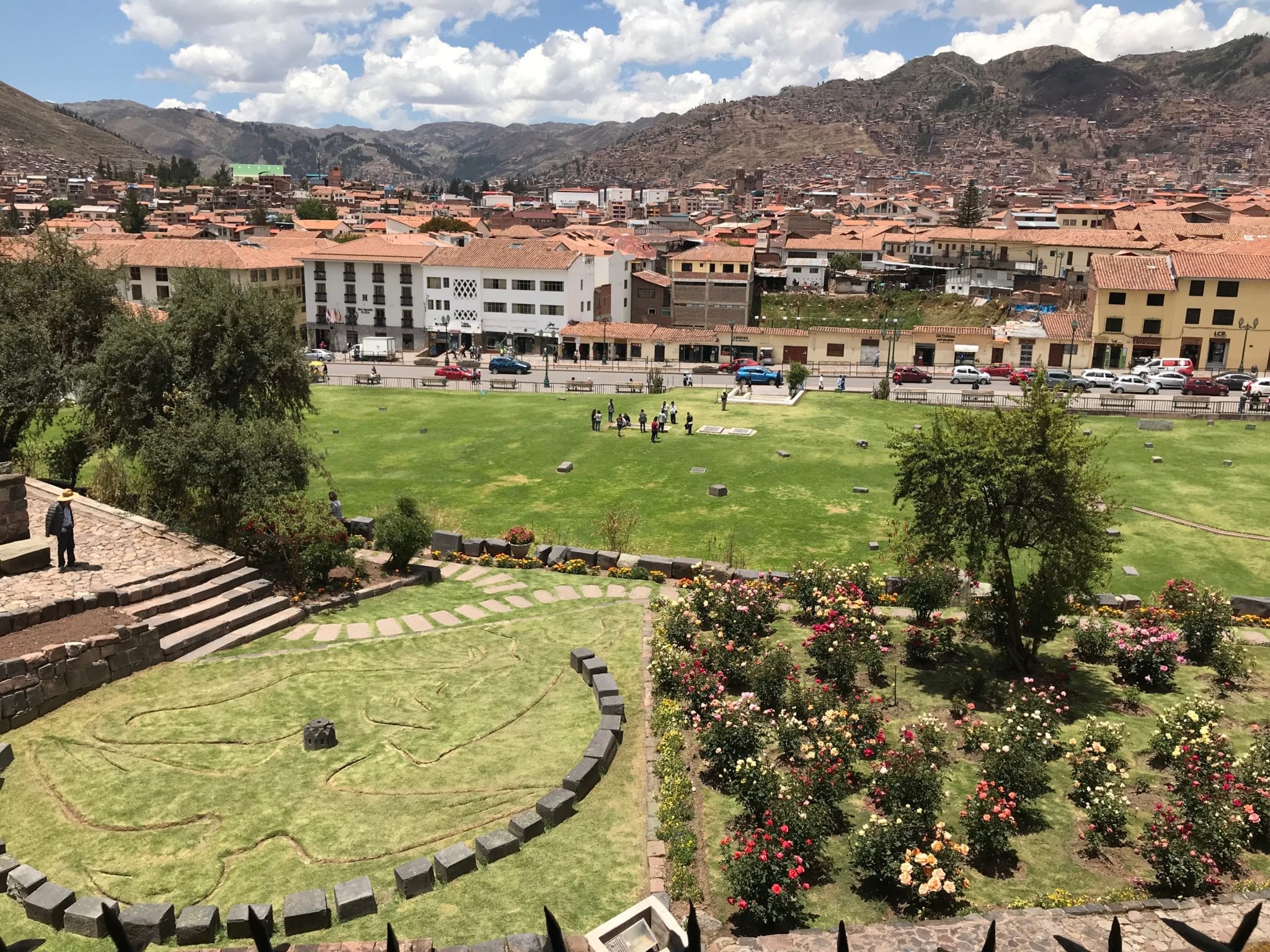
Cusco’s religious heart beats at Coricancha (Koricancha), the Temple of the Sun. In Inca times this complex was lined with gold sheets and precious sculptures dedicated to the sun god Inti; Spanish chroniclers describe how its walls shone with gold. When the Spaniards arrived, they stripped the gold and built the Santo Domingo church atop the temple foundations, resulting in a striking interplay of Inca and colonial masonry. Today you can tour the cloistered courtyard and admire the smooth Inca stonework, then step into the church to see colonial paintings and baroque altars. The site is not included in the Cusco Tourist Ticket, so you must pay an individual entrance fee.
Just above the city sits Sacsayhuamán, a fortified complex with massive zigzagging walls made of granite blocks that weigh up to 128 tons. The scale of the stonework and the precision with which each rock interlocks leaves most visitors speechless. According to archaeologists, the site once housed three circular towers and served both military and ceremonial purposes. To visit, you need the Boleto Turístico (tourist ticket), which also grants access to other archaeological sites and museums around Cusco. From Sacsayhuamán you can continue along the hillside to Qenko, a carved rock sanctuary with tunnels and altars; Tambomachay, also called the Bath of the Ñusta (Inca maiden) for its finely carved fountains; and Puka Pukara, a red‑stone fortress offering views of the surrounding mountains. These sites demonstrate how the Incas shaped natural rock formations into places of ritual and control.
Perspectives: Viewpoints and Hillside Sanctuaries
Cusco’s hilly layout invites travelers to climb for a different perspective. The San Cristobal church stands on a hillside just above the plaza; an early‑morning hike rewards you with a quiet square and a sweeping view of the city waking up. Bring coca leaves or candy to thank the gentle alpacas sometimes grazing near the viewpoint. Further up, the Cristo Blanco statue, a gift from Arab Palestinians who took refuge in Cusco, embraces the city from a hill. Many visitors take a taxi up and walk down along cobblestone paths, stopping at the Mirador de Santa Ana or San Cristobal for photos. At night, join locals at View House or return to Limbus Restobar for cocktails and small plates while the city lights twinkle below.
Museums and Cultural Centers
Cusco’s museums offer insights into millennia of Andean history. The Museum of Pre‑Columbian Art (MAP) occupies a restored colonial mansion and displays nearly 400 artifacts from 1250 BC to 1532 AD on loan from Lima’s Larco Museum. The pieces come from diverse cultures—Nazca, Mochica, Wari, Chancay and Inca—and include ceramics, gold ornaments and carved wooden vessels. The museum courtyard hosts the elegant MAP Café, a lovely spot for lunch or dinner. Nearby, the Inka Museum (Museo Inka) takes you through the evolution of the Inca civilisation with displays of ceramics, textiles, mummies and qeros (wooden drinking vessels). Exhibits explain how the Incas adapted to different ecological zones, from Amazonian jungle to high‑altitude puna, and illustrate trade networks that connected the empire.
If you are curious about the cosmos, head to the Cusco Planetarium to learn about Inca astronomy. The Inca attached spiritual significance to stars and constellations, and the planetarium interprets these constellations and offers telescope sessions when skies are clear. For a quirky side trip, visit the Chocolate Museum, where you can learn about cacao cultivation in the Amazon and even craft your own chocolate bar. Cusco’s museum scene underscores that this city is not just a stepping stone to Machu Picchu but a cultural destination in its own right.
Day Trips: The Sacred Valley
Many of the region’s most beautiful sites lie within the Sacred Valley of the Incas, a fertile corridor flanked by the Urubamba River and snow‑capped peaks. One of the easiest day trips from Cusco is to Pisac, an Andean town with a sprawling hilltop fortress. The ruins feature terraced slopes, carved stone houses and a ceremonial centre built in the 15th century, likely under the orders of the emperor Pachacutec. Below the site, the town’s handicraft market blossoms with textiles, ceramics and silver jewellery. On Sundays the market is especially lively with local Quechua communities bartering their produce and crafts.
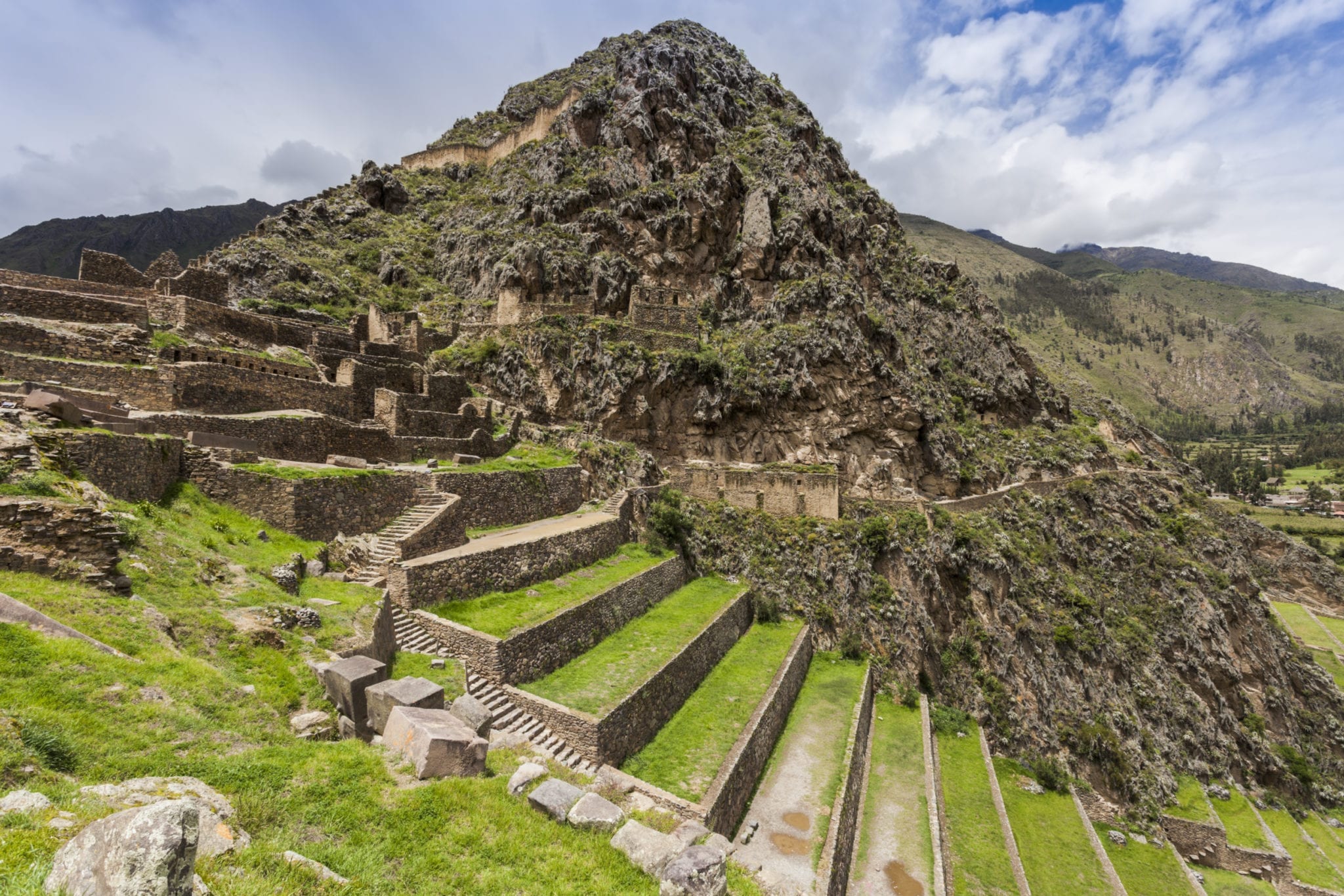
Continue downstream to Ollantaytambo, sometimes called the “Living Inca City.” Its well‑preserved stone streets and water channels remain inhabited, and the hilltop fortress that once repelled Spanish armies still towers over the town. The fortress complex features terraces, temples and the massive Temple of the Sun—a giant wall of pink granite blocks assembled with precision. Because the town sits at about 2,700 m, it offers a lower‑altitude base for acclimatizing. Many travellers board trains to Machu Picchu from here, but it is worth spending a night to experience the synergy of Inca heritage and living culture.
A short detour off the main road leads to Maras, a patchwork of over 3,000 small salt pans carved into a mountainside and fed by a hypersaline spring. Local families have harvested salt here since pre‑Inca times, and the changing light turns the pools from beige to pink to shimmering white. Entrance tickets are sold on site, and you can buy bags of coarse Andean salt as souvenirs. Nearby, the circular terraces of Moray form one of the most intriguing Inca labs. Concentric rings descend into a pit, creating microclimates that vary by several degrees from the top terrace to the bottom. Archaeologists believe the Incas used these terraces to experiment with crops, testing how maize, quinoa and coca responded to different conditions. Both Maras and Moray can be visited in half a day and are often combined in tours.
Natural Wonders and High‑Altitude Hikes
Cusco is surrounded by dramatic landscapes. Rainbow Mountain (Vinicunca) has become one of Peru’s most photographed sights; its slopes display stripes of red, turquoise and gold formed by mineral deposits. Day tours depart as early as 3:00 am from Cusco and include a hike of about 7 kilometres (4.3 mi) to a summit at 5,100 m (16,732 ft). The trek is challenging due to the altitude and steep grade, but horseback rentals are available for those who prefer not to walk. Tours usually return to Cusco by late afternoon. Another rewarding excursion is the hike to Humantay Lake, a glacial lagoon at roughly 4,200 m (13,779 ft). The turquoise water reflects snow‑capped peaks, and the site forms part of the multi‑day Salkantay trek to Machu Picchu. Because these hikes reach high elevations, spending several days acclimatizing in Cusco and drinking coca tea or chewing coca leaves is recommended.
Practical Tips: Visiting Machu Picchu and Beyond
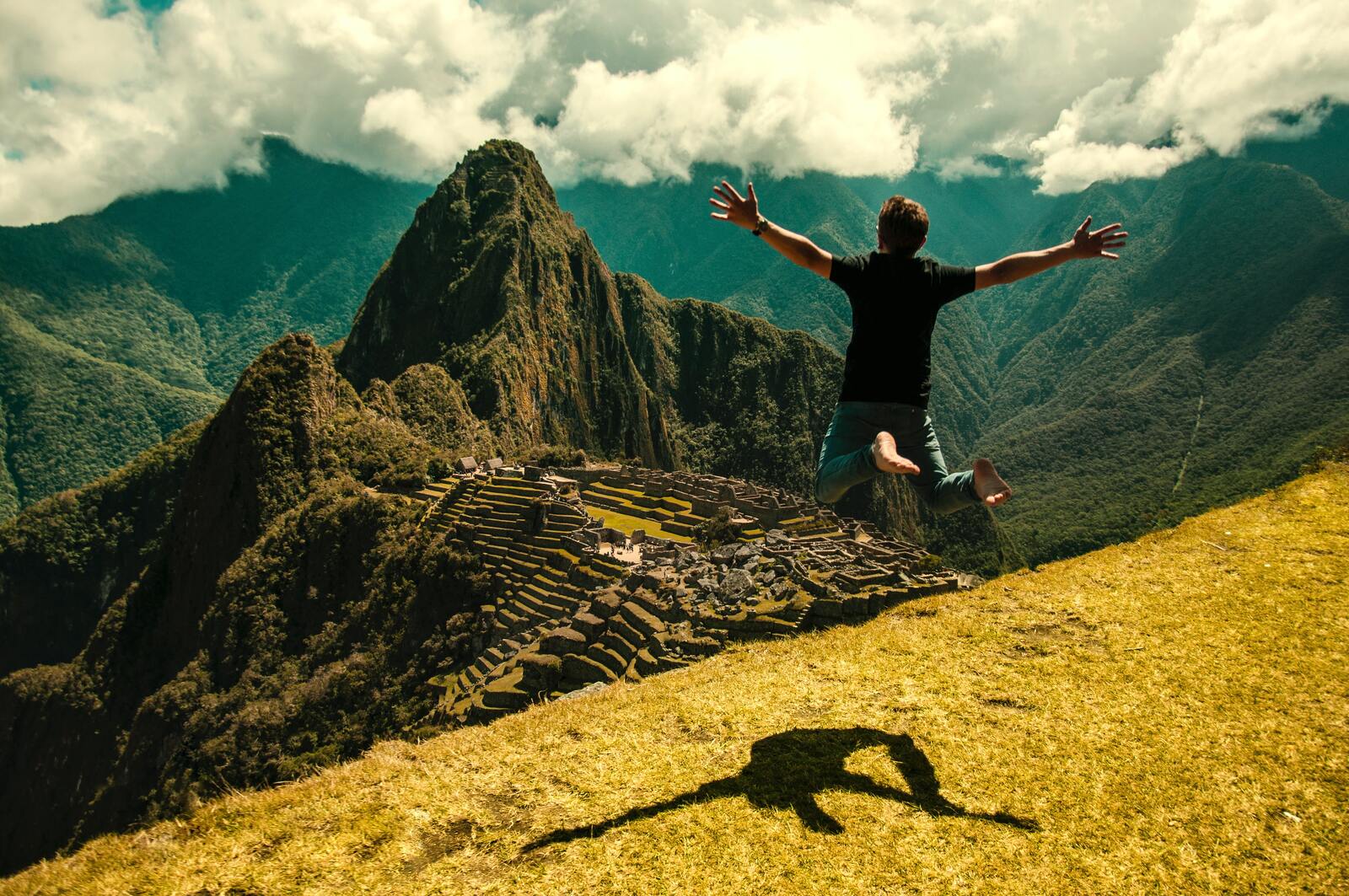
No trip to Cusco is complete without a visit to Machu Picchu, but in 2025 new regulations are in place to protect this World Heritage site. The Peruvian Ministry of Culture caps the number of daily visitors at 5,600 in peak season and 4,500 in low season. Tickets must be purchased through the official website well in advance, and you must carry your passport and printed ticket to enter. Re‑entry is not allowed, and visitors must follow designated circuits that ensure one‑way flow around the ruins. If you plan to visit in the high season (June–September), book several months ahead.
Cusco’s high elevation means that altitude sickness can affect anyone. Take it easy for the first couple of days, stay hydrated, and avoid heavy meals and alcohol. Chewing coca leaves or drinking coca tea (available in most hotels and cafés) helps many travellers adjust. The city’s weather can vary dramatically in one day; pack layers, a warm jacket for the evenings, a good sunscreen and a wide‑brimmed hat for midday sun.
Conclusion: Embrace the Layers of Cusco
Cusco is more than a stopover en route to Machu Picchu; it is a living museum where Inca foundations support colonial architecture, and where modern artists, chefs and musicians carry on traditions while creating new ones. From the bustling Plaza de Armas and artisan quarter of San Blas to the sacred temples of Coricancha and Sacsayhuamán, the city invites you to wander, listen and learn. Day trips into the Sacred Valley reveal ancient agricultural terraces, salt pools, and living Inca towns, while high‑altitude hikes offer glimpses of natural wonders like Rainbow Mountain and Humantay Lake. For more information about Cusco or any other destination you want to know about, or ask about our Peru tour packages, don’t hesitate to get in touch with one of our travel advisors today for a free itinerary.


