Top 10 Unique Peruvian Souvenirs for Travelers: An Expert Guide (2026)

Michael continues to travel, searching for new business opportunities and fantastic trip experiences to offer travelers. You can find Michael testing unique tours and hotels around LATAM. He enjoys getting up early and a hot cup of coffee before getting a good workout and starting the day.
Last Updated on February 13, 2026 by Michael R. Barthelmess
Looking for unique Peruvian souvenirs? When traveling through Peru, you aren’t just visiting a country; you are navigating thousands of years of artistic evolution. For the discerning traveler, a souvenir should be more than a trinket; it should be a “legacy piece” in the realm of items that tell a story. This also supports a local artisan, and holds its value over time if you look for the right Peruvian Souvenirs.
In this guide, we deep-dive into the top 10 authentic Peruvian treasures, including expert tips on how to distinguish true craftsmanship from mass-produced imitations.
1. Certified Vicuña Wool: The Fiber of the Gods
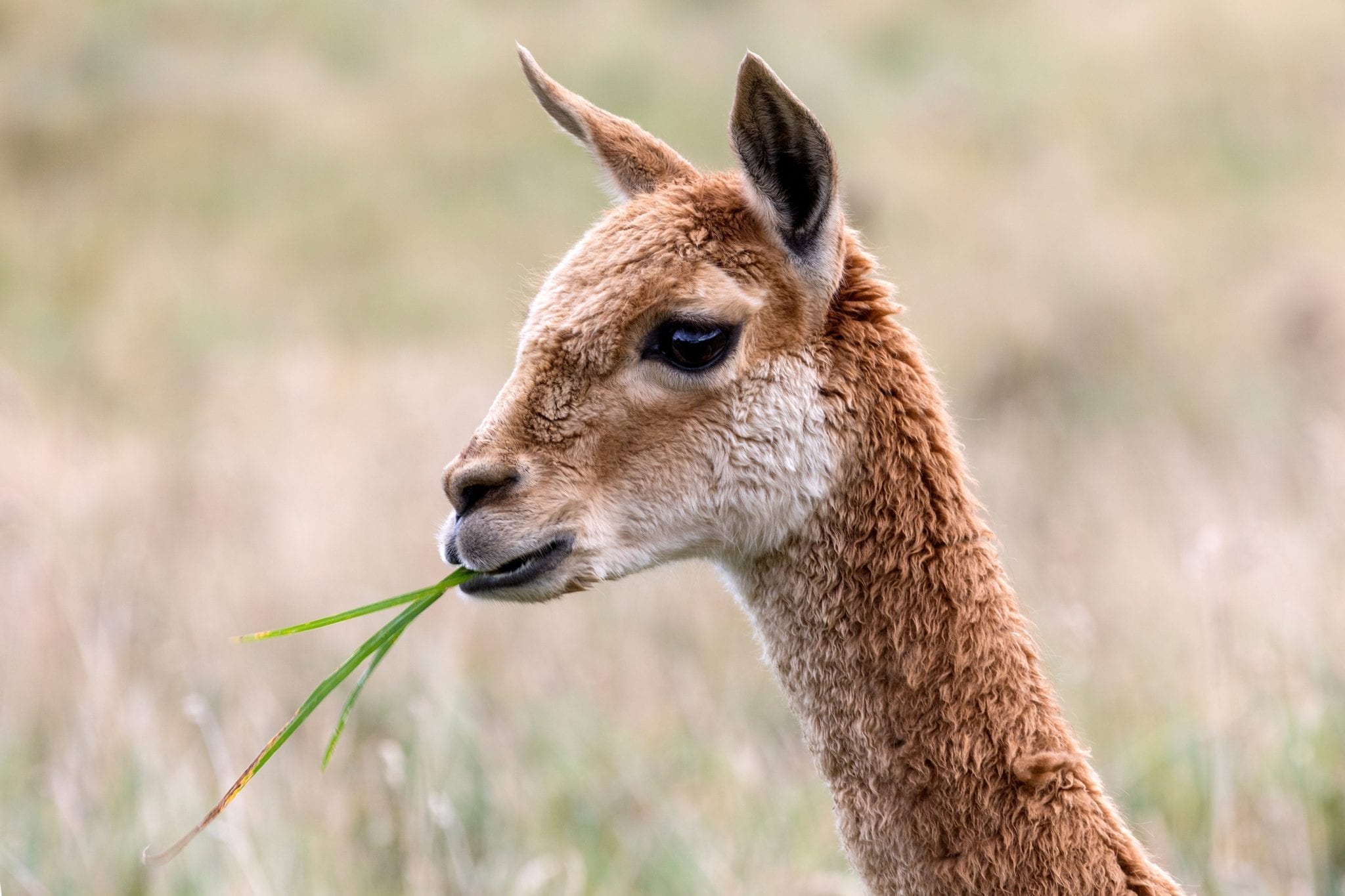
Vicuña is the undisputed “gold standard” of luxury textiles. These small, elegant camelids roam wild in the high Andean plateaus and were once considered sacred by the Incan royalty.
The Cultural & Biological Context: The Vicuña is the national animal of Peru, featured prominently on the coat of arms. Because they cannot be domesticated and can only be shorn once every two to three years, the fiber is incredibly scarce. A single animal produces only about 500 grams of wool per shearing. The result is a fiber so fine (12–14 microns) that it feels virtually weightless against the skin while providing superior warmth.
Expert Spotting Guide (How to Avoid the “Tourist Trap”):
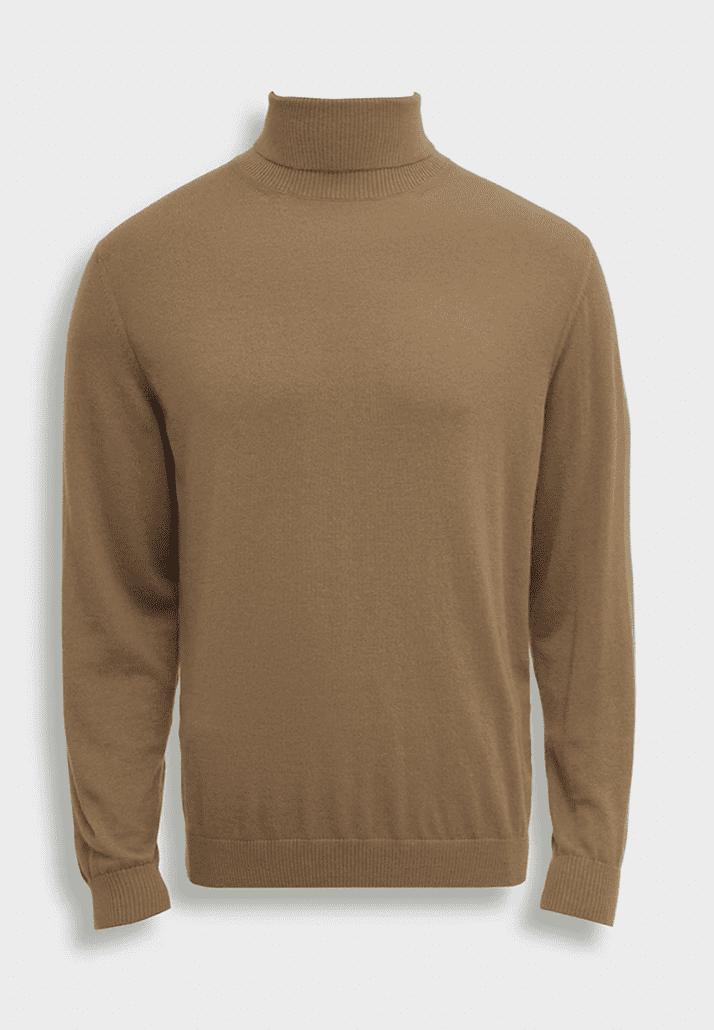
- The CITES Requirement: Authentic Vicuña is strictly regulated. Every legitimate purchase must come with a CITES (Convention on International Trade in Endangered Species) certificate. If a shop cannot provide this, the item is either illegal or a fake.
- The Price Barometer: Real Vicuña is never cheap. A scarf typically retails between $500 and $1,200 USD. If you see a “Vicuña” scarf for $100 in a street market, it is almost certainly a blend of alpaca and synthetic fibers.
- Where to Buy: Stick to reputable houses such as Kuna or Incalpaca, which have direct oversight of the shearing process.
2. Toritos de Pucará: The Guardians of the Andean Home
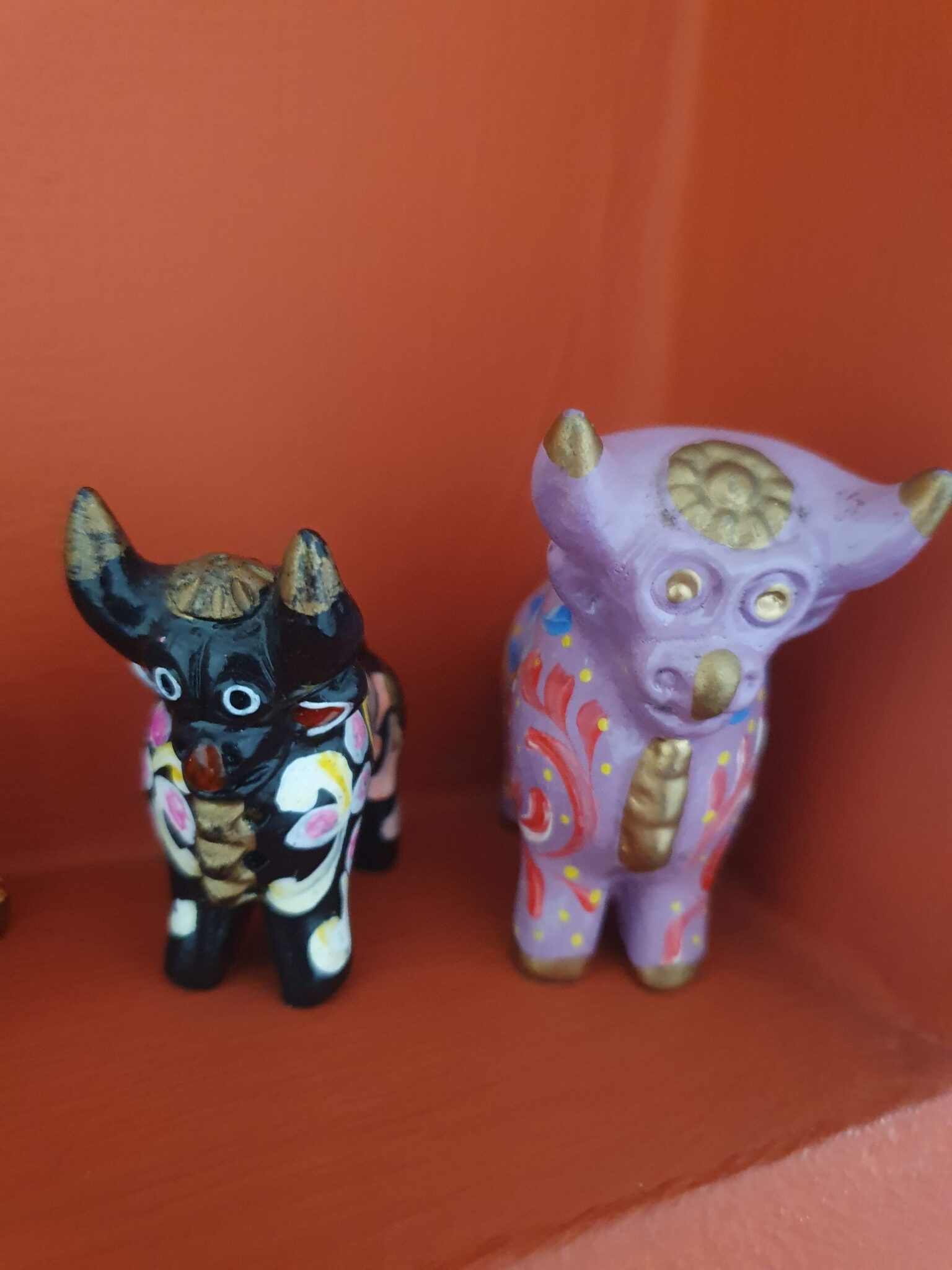
If you glance at the terracotta roofs of Cusco or the Sacred Valley, you will see pairs of ceramic bulls standing watch near the chimneys. These are the Toritos de Pucará, perhaps the most iconic symbol of Peruvian domestic life.
The Symbology of Duality: These bulls represent the fusion of Spanish influence and indigenous Andean spirituality. They are always displayed in pairs to honor the concept of Ayni (Reciprocity) the balance between man and woman, earth and sky, and give and take. Often, you will see a small ladder or a cross placed between the bulls, symbolizing the bridge between the physical and spiritual worlds.
The Artisan’s Touch: While mass-market versions are cast in molds, high-quality collectors should look for hand-modeled stoneware.
- Color Meanings: White bulls signify peace; red represents protection and strength; black bulls are believed to ward off envy or “the evil eye.”
- Where to Shop: For the most authentic experience, visit the town of Pucará (near Puno) or high-end folk art galleries in Lima like Dédalo or Las Panka.
3. Pisco Acholado: The Heritage Spirit of the Coast
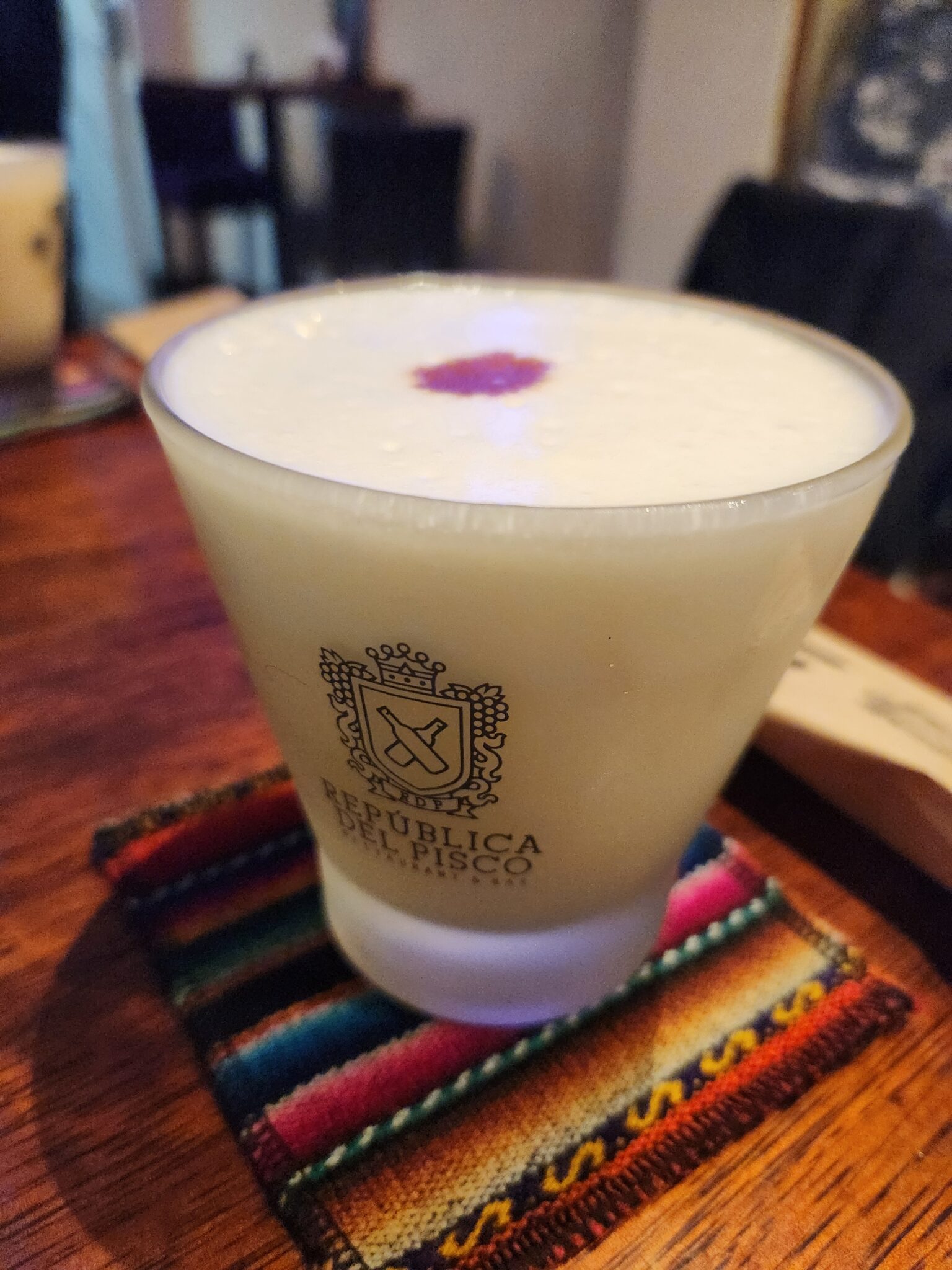
Pisco is Peru’s national brandy, a clear spirit distilled from fermented grape must. Unlike its counterparts in other countries, Peruvian Pisco is never diluted with water after distillation and is never aged in wood, resulting in a pure, transparent expression of the grape.
Why “Acholado” is the Connoisseur’s Choice: For a souvenir, we recommend an Acholado. This is a master blend of multiple grape varieties, including the non-aromatic Quebranta grape with aromatic varieties like Italia or Torontel. This creates a complex flavor profile that is floral on the nose but strong and clean on the palate.
The Logistics of Quality:
- Denomination of Origin (D.O.): Only spirits produced in the coastal valleys of Lima, Ica, Arequipa, Moquegua, and Tacna can legally be called Pisco.
- Reputable Estates: Look for labels such as Viñas de Oro, Pisco Portón (produced at the historic Hacienda La Caravedo), Queirolo, or Barsol are some options that stand out.
- Packing Tip: Buy your Pisco at a boutique shop in the city rather than the airport to save 20–30%. Use “wine sleeves” or bubble wrap to protect the glass in your checked luggage.
4. Peruvian Silver Filigree Jewelry
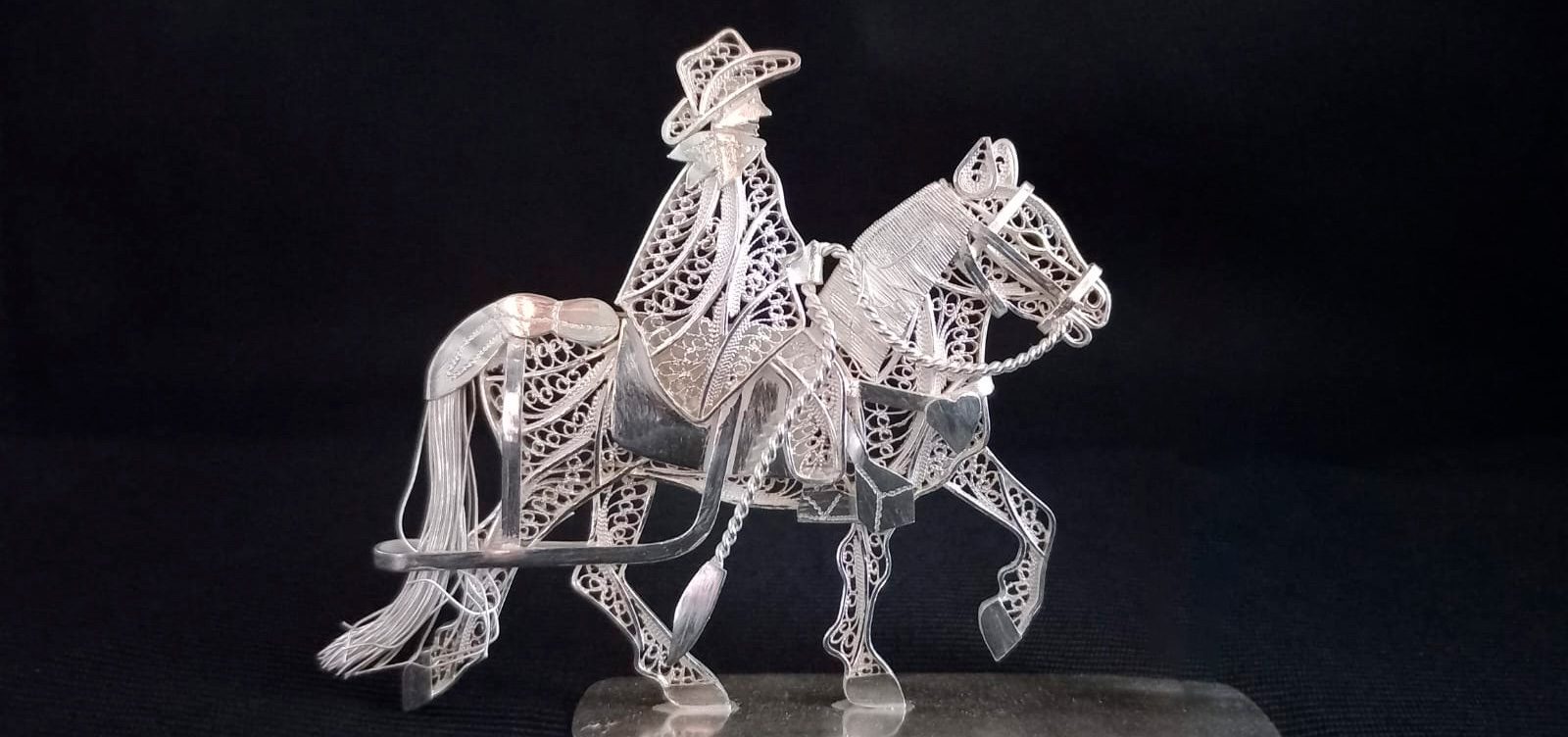
Peru has been a global center for silver since pre-Incan times. While heavy silver platters are traditional, the most elegant souvenir is filigree jewelry, an ancient technique where fine silver threads are twisted and soldered into intricate, lace-like patterns.
The Craftsmanship: Filigree requires immense patience. Artisans in the San Pablo and Catacaos regions are world-renowned for this work. They transform raw 925 sterling silver into delicate butterflies, floral patterns, or traditional symbols like the Chakana (Inca Cross).
Expert Spotting Guide:
- The Hallmarking: Look for a tiny “925” stamp, usually on the clasp or the back of the piece. This indicates the metal is 9.25% pure silver.
- Consistency: High-quality filigree should have perfectly symmetrical patterns. If the “lace” looks uneven or the soldering is messy/thick, it is a lower-quality piece.
- Pricing: Because filigree is labor-intensive, the price reflects the time spent crafting it, not just the weight of the silver.
5. Ayacucho Retablos: Portable Storytelling
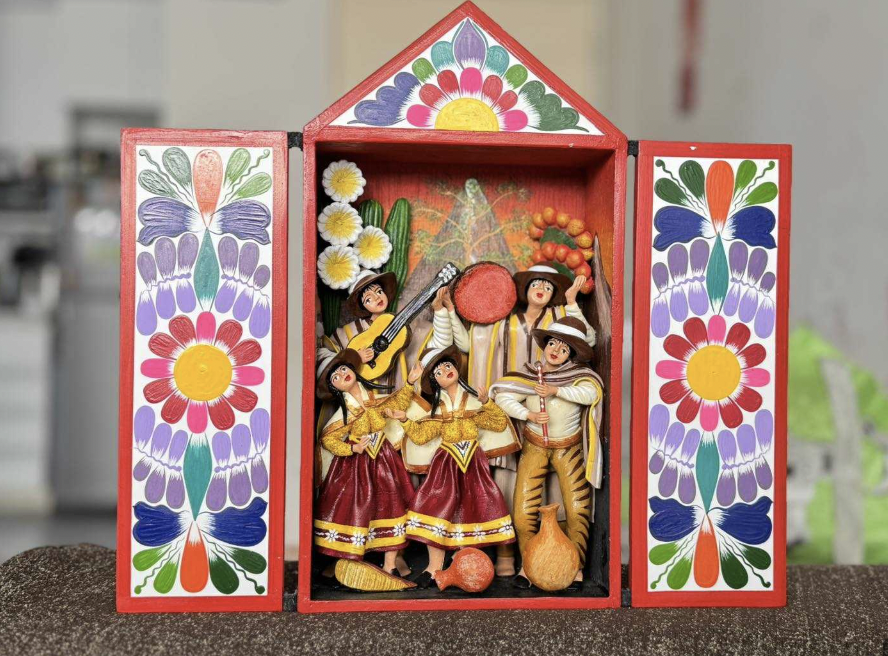
A Retablo is a wooden box that opens to reveal two or three levels of tiny, hand-painted figurines. These are not merely decorations; they are historical records and social commentaries preserved in wood and plaster.
The Evolution of a Craft: Originally, Spanish priests used these boxes (cajas de Santero) to carry religious images across the Andes. Over time, the artisans of Ayacucho reclaimed the art form, filling the boxes with scenes of village life, harvest festivals, and even modern political movements.
What to Look For:
- The Detail: The best retablos have dozens of tiny figures, each with distinct facial expressions. The figures are traditionally made from a mixture of boiled potato and gypsum.
- The Signature: Top-tier artists like the Joaquín López Antay lineage often sign their work. These are considered museum-quality pieces.
- Display: Smaller retablos are great for bookshelves, while larger, “multi-story” boxes act as stunning centerpieces for a room.
6. Single-Origin Peruvian Chocolate: The “Fine Flavor” Revolution
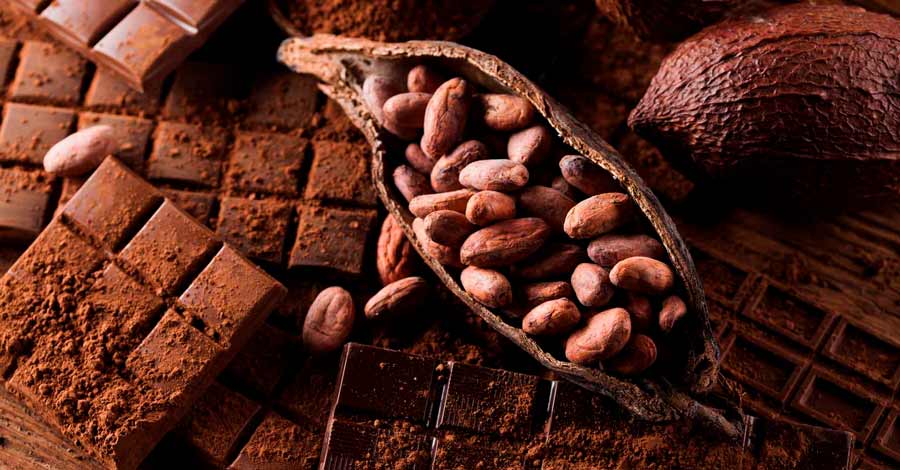
While many countries produce cocoa, Peru is the genetic birthplace of 60% of the world’s cacao varieties. In recent years, Peruvian “Tree-to-Bar” makers have consistently swept the International Chocolate Awards, making this the ultimate gift for the culinary-minded traveler.
The Variety to Look For: Ask specifically for Chuncho Cacao. Native to the Cusco region, Chuncho is one of the rarest bean varieties on earth. It is naturally low in bitterness and high in floral and nutty aromas, requiring very little sugar to create a masterpiece. The cool part is that no matter where you go in the Peruvian Andes or the Amazon Rainforest on your Peru tour package, you’ll always be near local chocolate producers.
Expert Selection Guide:
- The Winners: Seek out bars from Cacaosuyo (multiple-time World Gold winners), Maraná, and Qantu.
- Reading the Label: Look for “Single-Origin” and a specific region like Piura (known for white cacao with citrus notes) or San Martín (known for bold, earthy tones).
- Direct-Trade: High-end Peruvian chocolate is almost always direct-trade, meaning the makers work directly with farmers, paying well above “fair trade” market rates to preserve rare genetic strains.
7. Hand-Woven Textiles from Chinchero: Living History
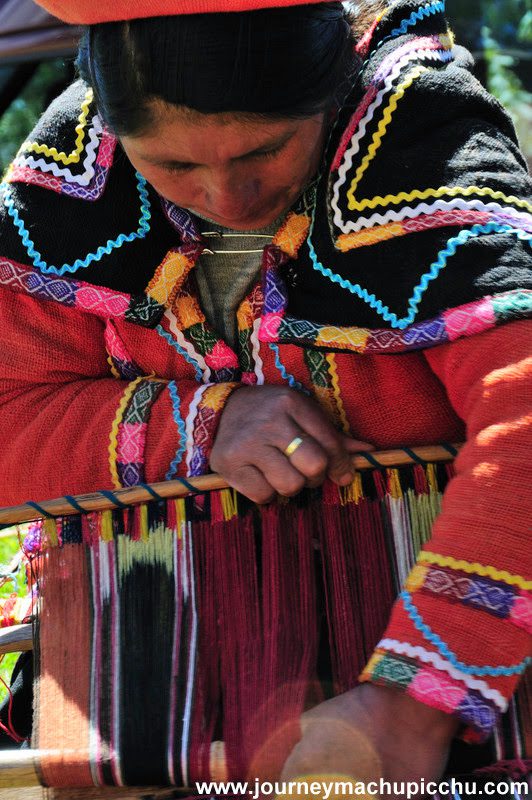
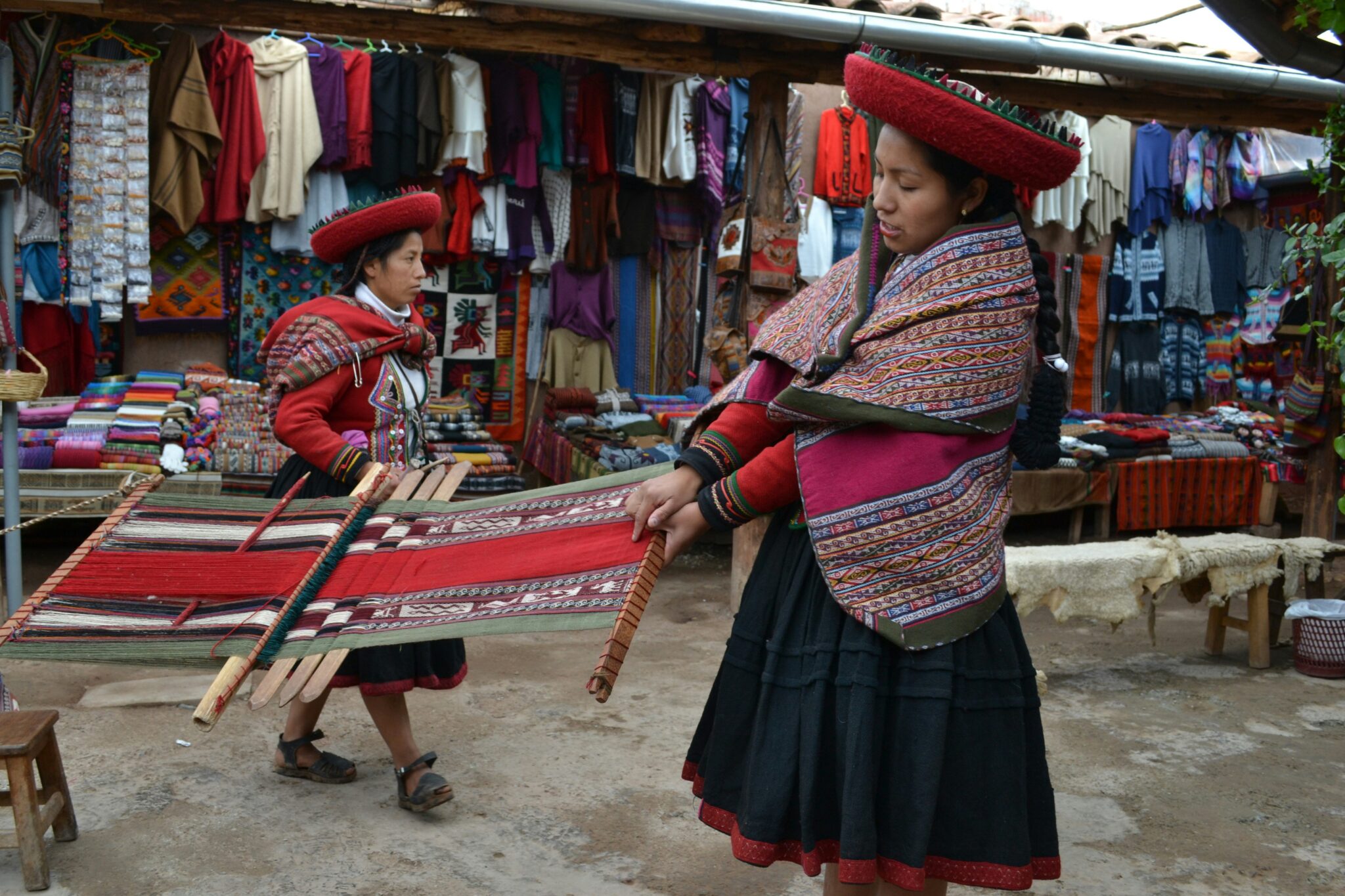
In the highland village of Chinchero, known as the “Land of the Rainbow,” weaving is not just a craft—it is a sacred language. Unlike mass-produced alpaca blends found in city markets, an authentic Chinchero textile is a months-long labor of love.
The Ancestral Process: Artisans here use the backstrap loom, a tool that has remained unchanged since the time of the Incas. They exclusively use natural dyes derived from the environment:
- Cochineal: A tiny insect found on cacti that produces vibrant reds, pinks, and purples.
- Saqta: A local root used as a natural detergent to clean the raw wool.
- Q’olle Flower: Used to achieve brilliant sunshine yellows.
Expert Spotting Guide (Real vs. Synthetic):
- The “Burn Test”: Real wool smells like burning hair and turns to ash. Synthetic acrylic melts and smells like burning plastic (though we don’t recommend setting fire to the vendor’s wares!).
- The Color Palette: Natural dyes produce “earthy” hues that look rich but soft. If a textile features neon or “fluorescent” colors, it is almost certainly made with synthetic chemical dyes.
- Reversibility: A true Chinchero weaving is often double-faced and reversible, meaning the pattern is perfect on both sides.
8. Shipibo-Conibo Kené Art: The Geometry of the Jungle
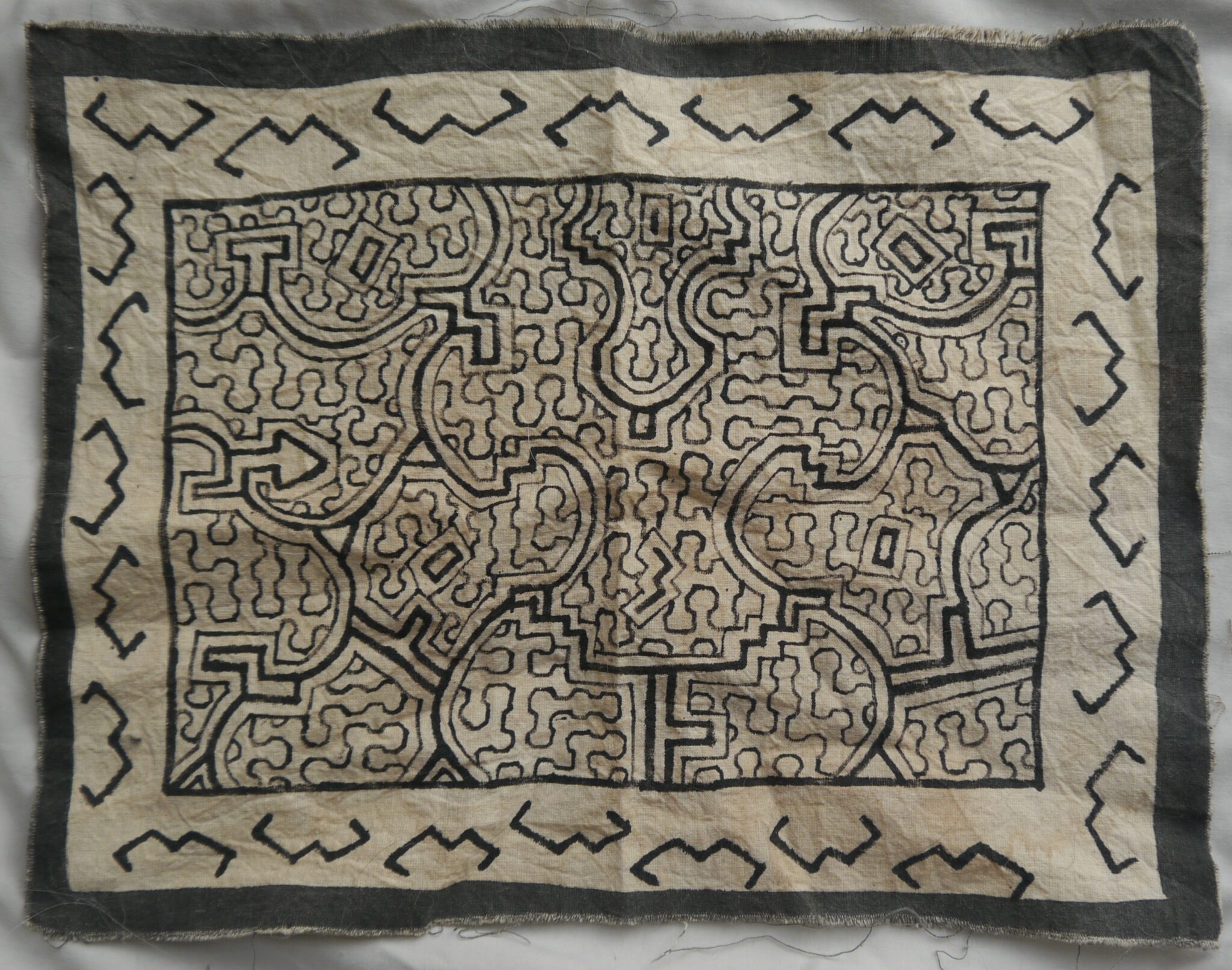
If your travels take you toward the Amazon, or to the specialized galleries of Lima, look for the mesmerizing geometric patterns of the Shipibo-Conibo people. This art form, called Kené, was recognized in 2008 as part of Peru’s National Cultural Heritage.
The “Songs of the Forest”: Kené is more than decoration; it is a visual representation of a worldview. Shipibo women traditionally “receive” these designs through visions often associated with master plants. Some ethnomusicologists believe these patterns are actually musical scores the women can “sing” the designs as Icaros (healing chants) by tracing the lines with their fingers.
What to Buy:
- Hand-Painted Textiles: Using natural dyes like huitos (a jungle fruit) on hand-woven cotton.
- Ceramics: Large, thin-walled pots decorated with the same complex maze-like patterns.
- Ethical Sourcing: When possible, buy directly from Shipibo cooperatives or galleries that verify the proceeds return to the Ucayali River communities.
9. Maras Pink Salt: A 500-Million-Year-Old Treasure
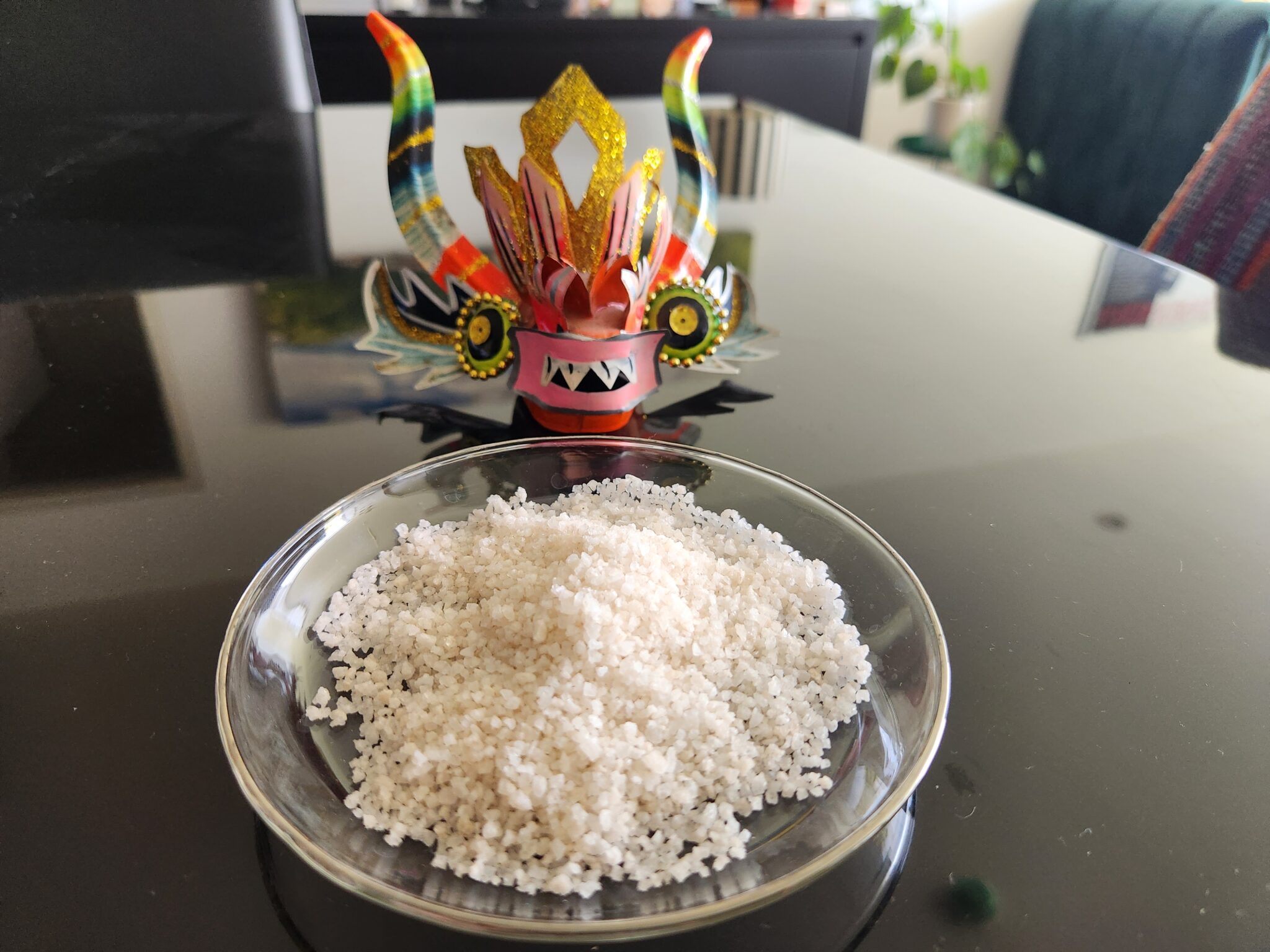
High in the Sacred Valley, over 3,000 salt ponds spill down a canyon wall at Salineras de Maras. This isn’t just sea salt; it is the result of a subterranean stream hitting a prehistoric salt deposit from a dried-up ocean.
The Geology of the Harvest: The salt is harvested manually by local families who own the individual ponds. As the sun evaporates the water, a crust of pink-hued crystals forms.
- Flor de Sal: The first, most delicate layer to crystallize. It is the “caviar of salt” and is prized by gourmet chefs for its crunch and mineral depth.
- Pink Salt: Collected later, this salt gets its color from the iron and magnesium in the soil.
Shopping Tips:
- Portability: This is the most “luggage-friendly” souvenir. It is inexpensive, lightweight, and won’t break.
- Where to Buy: Buy directly from the community market at the entrance to the salt mines. The proceeds directly support the 400 families of the Marasal cooperative.
10. Mates Burilados: Carved Stories of the Mantaro Valley
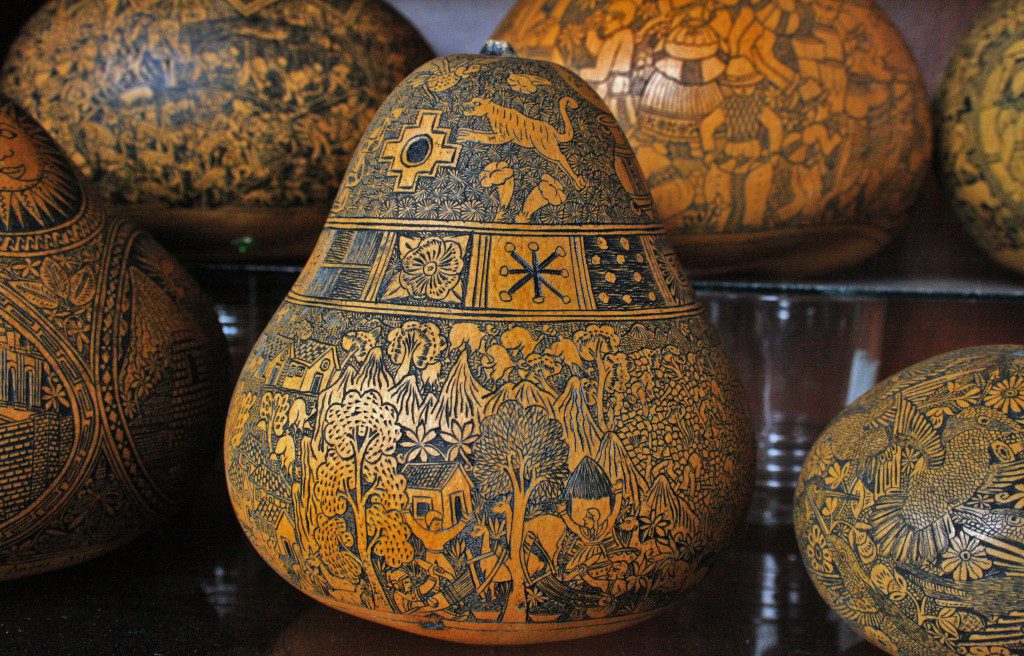
One of the oldest artistic traditions in the Americas (dating back over 4,000 years), Mates Burilados are dried gourds that have been intricately carved to document stories.
The Burin Technique: Artisans use a buril (a fine engraving tool) to etch microscopic scenes onto the gourd’s surface. In the Mantaro Valley (near Huancayo), masters like the Veli family create pieces that depict entire village festivals, complete with hundreds of individual figures, all on a single gourd.
Expert Selection:
- Pyrography: High-quality gourds often use a technique of “scorching” to create different shades of brown and black.
- Modern vs. Traditional: While you can find Christmas ornaments in this style, the “investment pieces” are the larger, traditionally carved gourds that read like a storybook from bottom to top.
Final Logistics: Customs, Packing, and Taxes
To ensure your treasures make it home safely, keep these professional tips in mind:
- The “Tax-Free” Advantage: If you shop at major retailers like Kuna or Ilaria, ask for a “Tax-Free” form. Tourists can often claim back the 18% IGV (sales tax) at the airport upon departure.
- Packing Textiles: Use vacuum-sealed bags to save space. For silver jewelry and ceramics, always keep them in your carry-on luggage.
- Agriculture Restrictions: While processed chocolate and salt are fine, NEVER try to bring raw coca leaves or unsealed seeds back to your home country. It is an immediate customs violation in the US and EU.
Conclusion: Bringing the Spirit of Peru Home
Selecting a souvenir in Peru is far more than a simple transaction; it is an act of cultural preservation. Whether you are investing in a Vicuña heirloom or bringing home a jar of Maras pink salt, each item carries the heartbeat of the Andes and the Amazon. By choosing authentic, hand-crafted goods, you are directly supporting the lineages of master weavers, silversmiths, and cacao farmers who keep Peru’s ancient traditions alive in the modern world.
As you pack your bags, remember that the most valuable “souvenir” is the story behind the object. At Journey Machu Picchu, our private tours are designed to connect you directly with these stories. We don’t just take you to markets; we introduce you to the master artisans in their workshops, ensuring your journey is as meaningful as the treasures you bring home.
Ready to start your own Peruvian story? Contact our family travel experts today to begin planning your bespoke, private adventure through the Land of the Incas.
Frequently Asked Questions About Shopping in Peru
How can I tell if an alpaca sweater is real or synthetic?
The most reliable test is the “Touch Test.” Real alpaca fiber feels naturally cool to the touch and warms up gradually as you hold it; synthetic blends feel warm immediately. Additionally, check for a “soapy” or silky texture. High-quality alpaca has a subtle sheen, whereas acrylic often has a plastic-like sparkle under bright light. For 100% certainty, shop at certified retailers like Kuna or Sol Alpaca.
Can I legally bring Pisco back to my home country?
Yes, most countries allow you to bring back one liter of spirits duty-free per person. However, you must pack it in your checked luggage as it exceeds the liquid limits for carry-ons. We recommend buying a bottle with a “Denomination of Origin” seal to ensure it is authentic Peruvian Pisco rather than a lower-quality imitation.
Is it okay to barter (haggle) in Peru?
In traditional markets like Pisac or Cusco’s San Pedro Market, bartering is expected and part of the local culture. A good rule of thumb is to counter-offer about 20-30% less than the initial price. However, in boutiques, high-end galleries, or grocery stores, prices are fixed, and haggling is considered impolite.
Can I bring Coca tea or leaves home as a gift?
No. While Coca tea (Mate de Coca) is legal and ubiquitous in Peru, bringing raw leaves or even processed tea bags into countries like the USA, UK, or Australia is strictly prohibited and can result in significant fines. As a safe alternative, buy Coca Candies or Coca-flavored chocolates, which are generally permitted as they have been processed.
What are the best souvenirs for children?
For younger travelers, furry llama or alpaca plushies made from real fleece are a massive hit. Finger puppets depicting Andean animals and “Inca” royalty are also lightweight, inexpensive, and educational. For teens, hand-woven friendship bracelets or custom-designed “Inca Trail” hoodies are very popular
Do shops in Peru accept credit cards?
While major boutiques and hotels in Lima and Cusco accept Visa and Mastercard, many smaller artisan stalls and rural markets are cash-only. Always carry a small pouch of Peruvian Soles (PEN) in small denominations, as many vendors struggle to make change for large bills (like 100 Sol notes).